The Last Unpolished Corner of Rome: Why San Lorenzo Is the City’s Most Coveted Secret
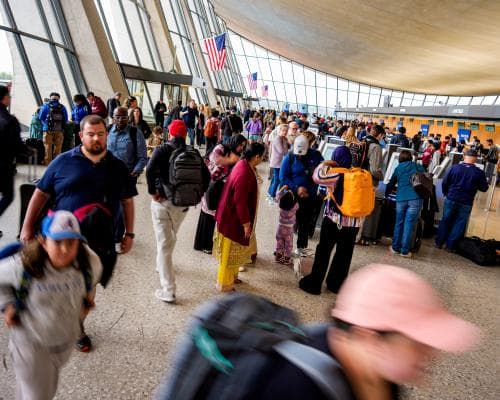
Rome is suffocating. Last year, 22.9 million arrivals squeezed into the Eternal City—nearly ten times the number of residents. The Colosseum is a cattle chute. The Trevi Fountain is a selfie trap. And yet, just twenty minutes on foot from the chaos of Termini station, there is a neighbourhood that time, and the masses, forgot. It is called San Lorenzo, and if you are the kind of person who values the unrepeatable over the Insta-famous, it is the only address in Rome that matters right now.
San Lorenzo was never meant to be chic. Built in the late 19th century for workers, it earned its stripes through blood and defiance. During Mussolini’s rise, locals and the Arditi del Popolo—a scrappy anti-fascist militia—fought back in the little-known Battle of San Lorenzo in 1922. They built barricades during the March on Rome. Thirteen people died. Fascists never fully controlled the quarter. It became known as the red zone, a badge worn with leftwing pride. Then came World War II: Allied bombs killed 1,500 residents and flattened entire blocks. The scars are still there, etched into the stone and the spirit.
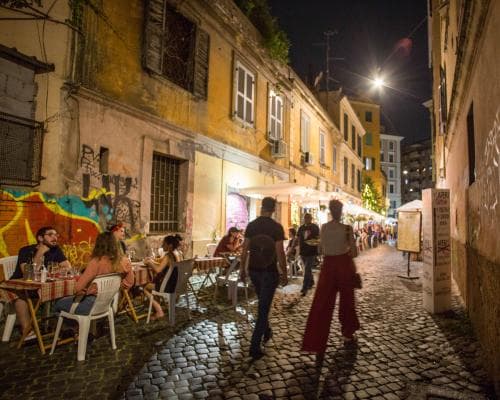
Today, the fight is quieter but no less compelling. Students from La Sapienza University—one of Europe’s oldest and largest—spill into the streets alongside artists, lifelong sanlorenzini, and the occasional discreet hedge-fund heir who has heard the whisper. Yes, Soho House and Social Hub have arrived, but they haven’t sanitised the soul. The real currency here is authenticity, and it is traded in two places: Pizzeria Formula 1 and Osteria da Marcello. Formula 1 has been slinging Roman thin-crust pizza since 1978 from a wood-lined room that hasn’t changed a tile. A margherita costs under €10. Osteria da Marcello, a family-run staple since 1961, began as a spot for fagottari—diners who brought their own food and bought only wine from the house. That kind of history cannot be bought; it can only be inherited or discovered.
For the ultra-wealthy, the allure of San Lorenzo is not about price tags—it is about access to a Rome that no longer exists in the guidebooks. While your peers queue for overpriced carbonara near Piazza Navona, you can slip into a neighbourhood where the menu is sticky, the chairs are wobbly, and the conversation is real. This is not a trend; it is a refuge. The luxury is not in the thread count—it is in the rare privilege of being somewhere that has not been optimised for tourism. San Lorenzo is the anti-Rome, and that is precisely why it has become the most coveted square kilometre in the city for those who know.
What does this signal about the state of wealth and taste? Simple: the new status symbol is not a penthouse with a view of St. Peter’s. It is a secret. It is the ability to say, “I spent the evening in San Lorenzo,” and watch envy flicker across the faces of people who spent theirs in a hotel lobby. The luxury market is pivoting from spectacle to scarcity—from the seen to the felt. San Lorenzo offers texture, resistance, and a kind of gritty poetry that no amount of marble can replicate. It is a masterclass in how to own a city without owning a thing.
Looking ahead, the pressure is mounting. 2026 is expected to break 2025’s tourist record. The tube-station crush will only worsen. But San Lorenzo, with its barricade history and student soul, may prove harder to gentrify than the developers hope. The sanlorenzini have resisted before. They will resist again. For now, the window is open. Go before the secret gets out. Walk away from the Colosseum. Turn left at Termini. And for the price of a pizza, buy yourself a piece of Rome that money cannot touch.
The Experience
Book a private guide through the backstreets of San Lorenzo, ending with a reserved table at Osteria da Marcello—where the wine list is curated by the family, and the history is on the house.