Chipotle’s Mexico Bet: The Fast-Food Empire That Forgot the Salsa Isn’t the Story
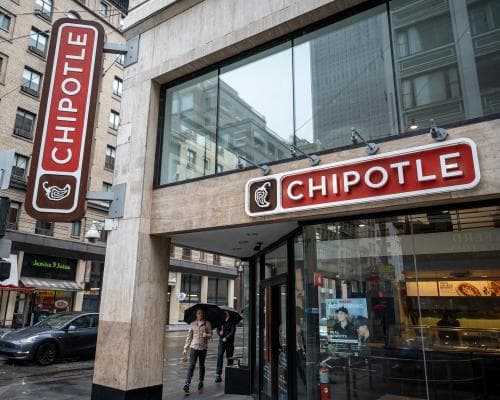
The dog teaching a duck to fly. That’s how one Mexican social media user described Chipotle’s decision to sell its version of Mexican food in Mexico. The first restaurant opens Thursday in San Pedro Garza García, an upmarket Monterrey suburb where the local fondas serve barbacoa that’s been simmering for generations. The backlash wasn’t just spicy — it was existential. "They’re folded tostadas," a local office worker told the Associated Press back in 2007, when Taco Bell tried the same stunt and failed twice.
Let’s be clear: this isn’t about whether Chipotle’s burrito bowls taste good. They do, to millions of Americans. The question is whether a $90 billion market-cap chain can export its supply-chain efficiency and digital ordering mojo into a country where the street-corner taco stand is both a cultural institution and a small-business engine. Chipotle’s CEO Brian Niccol called the expansion "a significant milestone." But milestones can be tombstones when you misread the terrain. The real story here isn’t the cilantro-lime rice. It’s the collision between globalized capital and the hyper-local economics of taste.
Look at the tech. Chipotle’s secret sauce isn’t its guacamole recipe — it’s its digital infrastructure. The chain processes over 40% of its orders through its app and website, using AI-driven demand forecasting to optimize ingredient prep and reduce waste. That’s a genuine innovation in food logistics. But in Mexico, that digital layer meets a fragmented supply chain of small-scale corn farmers, artisanal tortillerías, and family-run butcher shops. Chipotle’s centralized sourcing model — designed for consistency across 4,000 US locations — will face a brutal stress test when it tries to replicate that in a country where the best tortillas are made by hand, not by a machine in a commissary.
The competitive context is brutal. Taco Bell’s two failed attempts in Mexico are the ghost at the feast. But the deeper signal is the rise of the circular economy argument. One Instagram user nailed it: "The earnings of Chipotle will go to the USA, they won’t stay in Mexico." That’s not just nationalism — it’s a sophisticated critique of how global fast food extracts value from local economies. In an era where consumers increasingly track the provenance of their avocados and the carbon footprint of their delivery, Chipotle’s bet feels like a throwback to 1990s expansionism.
What this signals for the sector is a reckoning. The next wave of food-tech innovation won’t come from better algorithms for burrito assembly — it will come from brands that can marry global scale with authentic local integration. Think of it as the "terroir" problem for fast food. Just as wine buyers learned that Chardonnay from Burgundy tastes different from California, consumers are learning that a taco from a Monterrey fonda carries a cultural weight no amount of marketing can replicate. The billionaires and elite capital tracking this space should watch the Chipotle experiment not for its profit potential, but for what it reveals about the limits of replicability.
The forward-looking close: Chipotle will probably survive in Mexico — the brand has enough loyalists and curiosity-seekers to fill seats for a while. But the long-term signal is downward for any global chain that treats local cuisine as a template to be optimized rather than a tradition to be honored. The real innovation in the space economy — the one that feeds both stomachs and communities — will come from distributed, tech-enabled networks that empower local producers, not centralize them. Until then, the duck stays grounded.