The New Aristocracy of the Seaside: Britain's Piers Become the Ultimate Status Address
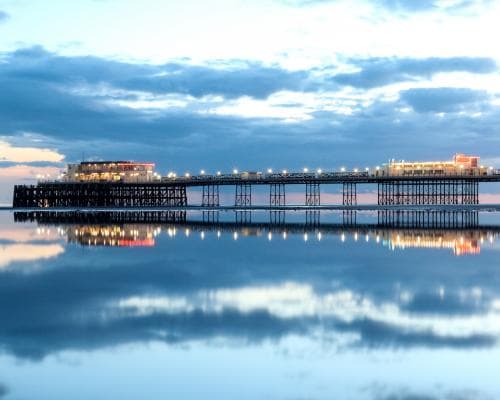
There is a moment, glass of chilled Sancerre in hand, when the world falls away. You are suspended above the water, the susurrus of the tide replacing the city's hum. Below, a murmuration of starlings performs its ancient, liquid ballet. This is not a private yacht or a cliff-top villa. This is the end of a Victorian pier, and it has just become the most coveted reservation in Britain.
Forget the Hamptons, forget the Riviera. The new frontier of discerning leisure is a 19th-century engineering marvel, jutting defiantly into the sea. At Worthing Pier, the newly opened Ebb restaurant has transformed the end of the jetty into a glass-fronted eyrie of art-deco glamour. Here, a bespoke vegan menu celebrates the first Jersey royals and asparagus of the season, while a separate à la carte offers butter-poached halibut that would not be out of place in a Michelin-starred Mayfair dining room. It is a far cry from the greaseproof paper and vinegar of yore, though a nostalgic knickerbocker glory still awaits downstairs at Perch, for those who prefer their heritage with a side of retro charm.
This is the new face of an old British institution. Of the 100 grand pleasure piers that once graced the coastline, only half survive. They are the cathedrals of a bygone industrial age, monuments to Victorian ambition and entrepreneurial swagger. Now, they are being reborn as playgrounds for the modern connoisseur. The National Piers Society, the quiet guardian of these structures, has saved several from the wrecker's ball, and their efforts have birthed a new kind of luxury. At Garth Pier in Bangor, the Pier Master's House—a charmingly quirky residence at the entrance—has been converted into a private holiday let. For £140 a night, you can sleep in the very heart of this 1,500-foot structure, with the Eryri mountains as your backdrop and the Menai Strait lapping at your doorstep. It is heritage, but with a key.
But the true status symbol is not just a stay; it is the experience. At Bournemouth Pier, the world's first pier-to-shore zip wire offers a 250-metre adrenaline rush from the end-of-pier tower—a private launch into the void, if you will. Meanwhile, the RockReef climbing centre with its 28 walls and 'leap of faith' provides a vertical playground for the athletically inclined. This is not passive leisure; it is curated thrill. And for those who prefer their entertainment with a side of pyrotechnics, the pier remains the prime vantage point for the town's Friday night fireworks, a private show for those in the know.
The shift is seismic. The pier, once a democratic symbol of public pleasure, is being re-imagined as a venue for exclusivity. It is the ultimate test of taste—a fusion of heritage and hedonism, of industrial might and delicate cuisine. The very fact that a 19th-century structure can now house a fine-dining restaurant, a zip wire, and a private let speaks to a new kind of wealth: one that values narrative, provenance, and a dash of the unconventional. This is not about flaunting; it is about knowing. It is the quiet thrill of saying, 'We dined at the end of the pier,' and meaning it.
As the summer season unfolds, with live music at Key West and the gentle chaos of a dog parade on the Garth, one thing is clear: the British pier is no longer a relic. It is a living, breathing luxury asset. For the discerning traveller, the question is not whether to visit, but which pier will be their address for the weekend. The tide has turned, and it is bringing with it a new aristocracy of the seaside. The only question left is: will you be on the pier, or merely looking at it from the shore?
The Experience
To secure your own table at Ebb on Worthing Pier, or to book the Pier Master's House for a weekend of private coastal luxury, contact your personal travel concierge or visit the piers' official booking platforms—availability is as fleeting as the tide.