The Weight of a Window: A Cautionary Tale from London’s Sky-High Luxury
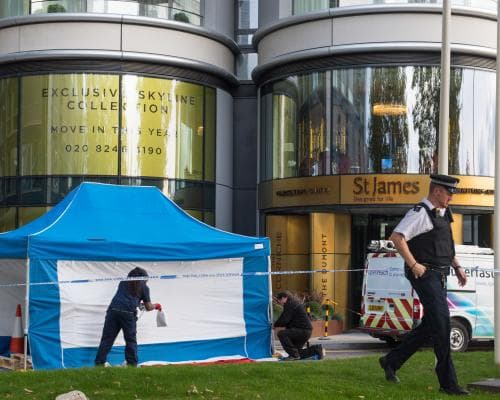
On a quiet September morning in 2018, Mick Ferris, a 53-year-old coach driver, was walking along Albert Embankment when a 130-kilogram window pane—nearly the weight of a grand piano—plummeted 90 metres from the penthouse of the Corniche, a sleek new tower that promised its residents views of the Thames that money can’t buy. Ferris was killed instantly. The window, blown off its hinges by a gust of wind, had been part of a design that allowed outward-opening panes in a building that reached for the clouds. It was a tragedy that would ripple through London’s luxury property world, and this week it reached its legal conclusion: Foster + Partners, the starchitect firm behind the Gherkin and the Reichstag’s glass dome, was cleared of responsibility. But the project’s managers and engineers were found guilty of safety breaches, and the verdict has left the world of high-end development asking a question it rarely confronts: at what cost does beauty rise?
The Corniche is not just any building. It is a 50-storey glass-and-steel statement on the Albert Embankment, a stone’s throw from the Houses of Parliament, designed to lure the global elite with penthouses priced in the tens of millions. The development, a joint venture between St James and the engineering firm Lindner Prater, was meant to be a jewel in London’s riverside crown—a place where floor-to-ceiling windows frame the city like a living painting. But the court heard that in August 2017, just over a year before Ferris’s death, another window panel had fallen from the same building. Miraculously, no one was hurt. Yet no changes were made to the design. The prosecution called it “an accident that had already happened,” and the jury agreed that St James and Lindner Prater had failed in their duty to keep the public safe under the Health and Safety at Work Act 1974.
For those who collect architecture the way others collect art, the Foster + Partners name is a mark of pedigree. Norman Foster’s practice has shaped skylines from London to Hong Kong, and its work on the Corniche was no exception—a study in light, space, and the illusion of weightlessness. But this case has peeled back the curtain on the engineering that makes such elegance possible. The outward-opening windows, a design choice that offers residents a rare, unfiltered connection to the outside air, were identified as a risk by experts long before the fatal fall. The Health and Safety Executive argued that Ferris’s death was foreseeable, and that the designers had ignored warnings about the proven danger of such windows in high-rise settings. In the end, Foster + Partners and the building’s design engineer, Wintech, were cleared after 11 hours of jury deliberation, but the reputational cost is harder to measure.
For the ultra-wealthy, the verdict is a reminder that the luxury they inhabit is not just a matter of aesthetics—it is a web of liability and care. The Corniche’s penthouses, with their marble bathrooms and private lifts, are marketed as sanctuaries above the city’s chaos. But the tragedy on the pavement below has exposed a truth that many developers would rather not advertise: that every pane of glass, every hinge, every gust of wind is a potential point of failure. The market for such properties remains robust—London’s super-prime sector is still drawing billionaires from Moscow to Mumbai—but buyers are increasingly asking about more than just square footage. They want to know about the provenance of the materials, the track record of the engineers, and the safety protocols that protect not only them but the public who walk beneath their balconies.
The case also signals a shift in how the luxury world views accountability. For decades, the starchitect was untouchable—a visionary whose name alone could justify any price tag. But this verdict, while clearing Foster + Partners, has placed a spotlight on the collaborative nature of high-end construction. The architecture may be the art, but the engineering is the contract with the public. As one industry insider put it, “A building is a promise, and when that promise is broken, someone has to answer.” The Corniche will continue to stand, its windows gleaming in the afternoon sun, but its story is now part of London’s architectural lore—a cautionary tale about the price of reaching too high without looking down.
Looking forward, this tragedy may well reshape the briefs of the world’s top architects. Already, whispers from the design world suggest that outward-opening windows in high-rise residential towers are being reconsidered, with some firms opting for fixed glazing or inward-opening systems that eliminate the risk entirely. For the discerning buyer, the lesson is clear: when you invest in a sky-high sanctuary, you are not just buying a view—you are buying the integrity of every bolt, seal, and hinge that keeps that view from becoming a weapon. The Corniche’s penthouses will still command their premiums, but the story of Mick Ferris will linger in the air of every luxury corridor, a reminder that even the most beautiful glass can shatter the lives of those who trust it.