MikeFest and the Rise of the Birthday as a Lifestyle Statement
There’s a moment, just before the talent show begins, when the Cornish sea air carries the faint scent of salt and anticipation. Forty-odd adults, dressed in sequins and feathers, clutch sippy cups emblazoned with their own names, while a man in his mid-40s adjusts a mask of his own face, ready to perform his interpretive dance. This is MikeFest, an annual August bank holiday ritual held in a large leafy garden on the Cornish coast. It is not a children’s party. Michael, the host and honoree, is turning 44. And he is unapologetic about the fact that he has guilt-tripped friends who declined, and barred anyone who misses two consecutive festivals from future invitations. “I’ve managed to build a life I like,” he says, “why not make a fuss about it?”
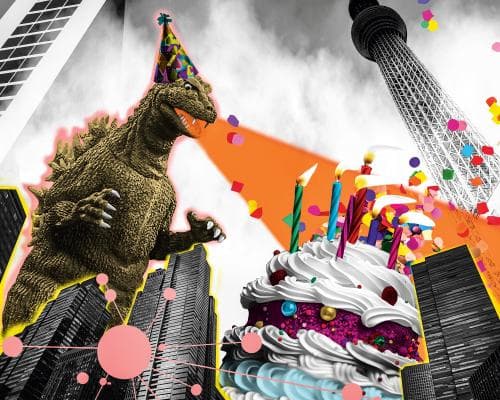
MikeFest is a microcosm of a broader cultural shift: the adult birthday has been promoted from a modest dinner reservation to a full-scale lifestyle production. Where once a slice of cake and a candle sufficed, now we see save-the-dates on cream card stock, group chats crowded with cake emojis, and multi-day itineraries that rival a destination wedding. For the ultra-wealthy, this is not merely a party—it is a statement of curation, a declaration of one’s taste, network, and ability to command attention. The birthday, in this rarefied world, has become a platform for personal branding, a chance to stage a micro-festival that says more about the host than any business card ever could.
What distinguishes the new birthdayzilla from the old party-thrower is the meticulous attention to detail, a hallmark of the luxury mindset. At MikeFest, the masks, the fans, and the sippy cups are not afterthoughts—they are bespoke, printed with each guest’s name, a gesture that says, “You matter, but only as part of my narrative.” The compulsory talent show, in which Michael always wins with his interpretive dance, is a knowing joke, but also a structure: the event is choreographed, not spontaneous. This is the essence of the new birthday—a controlled environment where the host’s whims become the guest’s obligation, and where the cost of attendance, in time, travel, and emotional labor, is part of the gift.
The economics of these events are not trivial. While MikeFest may be a garden affair, its production value—custom branding, catering, entertainment, and the implicit cost of a long weekend on the coast—echoes the larger trend. For those with deeper pockets, birthdays now involve private islands, Michelin-starred chefs flown in from Paris, and fireworks displays that would embarrass a small nation. The price tag is rarely disclosed, but the message is clear: the birthday is an investment in one’s social capital. In the world of the ultra-wealthy, where every asset is curated—from the wine cellar to the art collection—the birthday is simply another asset, one that yields returns in loyalty, envy, and Instagram impressions.
For collectors and connoisseurs, the birthday has become a new category of acquisition. It is not a yacht or a penthouse, but it is equally a marker of taste. The discerning host knows that the real luxury is not the caviar or the champagne, but the ability to command a guest list and enforce attendance with a smile. Michael’s rule—barring those who miss two festivals—is a masterclass in this. It is a gentle but firm assertion of priority, a reminder that in the age of the birthdayzilla, showing up is not optional; it is a form of tribute. This is a far cry from the casual “let’s grab dinner” of yesteryear, and it signals a shift in how the affluent define friendship: as a reciprocal arrangement of presence, not just affection.
Looking forward, the birthday is poised to become even more elaborate. As the lines between public and private life blur, and as the ultra-wealthy seek ever more distinctive experiences, we can expect to see birthdays that are part performance art, part social contract. Perhaps the next MikeFest will feature a drone show, or a curated tasting menu from a three-star chef. The key will be the same: the host as impresario, the guests as ensemble, and the day itself as a meticulously crafted object of desire. In a world where little feels certain, the birthday offers a rare opportunity to control the narrative—and the wealthy, as ever, are leading the charge. So if you receive a save-the-date with a single name in cursive, don’t just check your calendar. Check your loyalty. And perhaps, like Michael’s guests, start rehearsing your talent show routine.