When the Sun Bends the Race: Inside the Tour de France’s Heat-Forged Detour
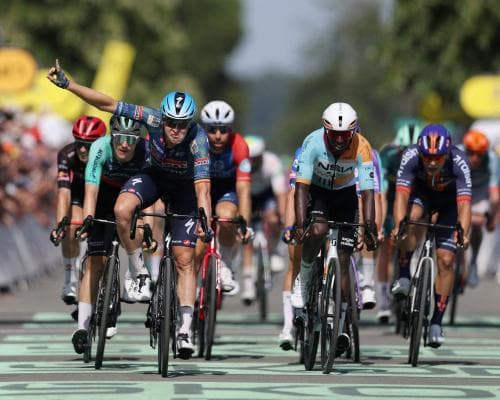
The asphalt shimmers like molten glass. In the Corrèze, where pale-stoned chateaux usually bask in a golden, forgiving light, the air now hits 40°C. This is not a day for a leisurely spin through the Dordogne. This is the Tour de France, Stage 9, and the organisers have just lopped off 30 kilometres from the route. The decision, announced under a red heatwave alert, is a quiet revolution. It says: even the most storied endurance event on earth must bow to the sun.
For the ultra-wealthy who track the Tour from the comfort of a rented Provençal villa or a superyacht moored in Monaco, this is not merely a logistical tweak. It is a signal. The peloton’s suffering—riders clawing for water bottles, ice packs pressed to necks—mirrors a broader recalibration of how the one percent plans their summer escapes. The days of assuming a Mediterranean or Central French itinerary will be bathed in pleasant warmth are over. Now, the question is not just where you go, but when—and how the journey itself must be reshaped by the elements.
Consider the access. The shortened stage—155.5 km from Malemort to Ussel—still winds through some of France’s most exquisite, unspoiled countryside. But the luxury spectator now arrives with a new calculus. Private helicopters land on meadows that double as impromptu viewing platforms. Chauffeurs coordinate with race directors to find shade-dappled stretches where the convoy slows. The real prize is not just a glimpse of Tadej Pogacar’s relentless pedal stroke, but a front-row seat to a race that has become a living barometer of our times. Tim Merlier, the Belgian sprinter who took his second stage win in Bergerac, put it plainly: “It’s a fight to have water, ice and drinks between the cars.” For the traveler accustomed to chilled rosé and climate-controlled everything, this is a humbling, thrilling contrast.
The rarity of this moment is itself a kind of currency. Stage shortenings are infrequent, almost ceremonial in their announcement. The French government’s early grant of authority to cancel or adapt stages—already exercised during Stage 3 through the Pyrenees, where wildfires forced the removal of the publicity caravan and roadside spectators—underscores a new era. The riders’ union, led by Pascal Chanteur, has lobbied for earlier starts. “It’s better to change the start times than to risk cancelling a stage,” he said. For the discerning traveler, this is a lesson in flexibility: the most coveted experiences now require a willingness to pivot, to embrace a 7 a.m. departure instead of a languid noon start.
What this signals about luxury travel is profound. The old markers—Michelin-starred picnics, front-row seats at the finish line—are being joined by a new one: resilience. The wealthy are no longer just consumers of spectacle; they are co-navigators of a landscape in flux. The best hotels in the Corrèze now offer heat-mitigation packages: chilled towels upon return, private plunge pools, sommelier-suggested wines that pair with a sun-drenched afternoon. The race itself becomes a metaphor for the journey—a reminder that the most memorable trips are those that adapt, that bend without breaking.
Where do the wealthy go next? Not away from the heat, but into its heart—on their own terms. Expect a surge in bookings for early-morning heli-tours of alpine stages, followed by afternoons in climate-controlled wine cellars. Expect private chefs who prepare electrolyte-rich meals that taste like haute cuisine. The Tour de France, with its shortened stages and heat-adapted rhythms, is showing the way. It is no longer just a race. It is a masterclass in moving through a warming world with grace, grit, and a very good travel agent.