The Night the Iceberg Was Polystyrene and the Bread Rolls Were Real
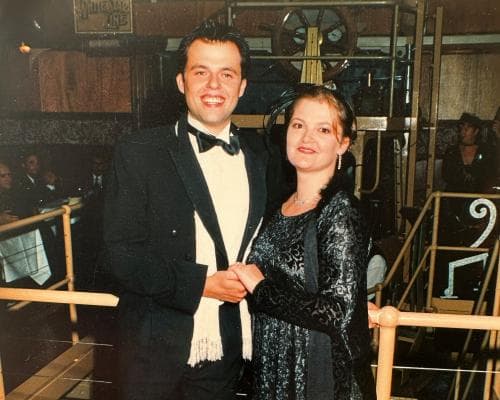
In 1998, a year after James Cameron’s epic had the world weeping into its popcorn, a curious kind of magic was unfolding in a quiet harbour suburb of Melbourne. Not on a movie screen, but inside a converted pub that had been dressed up as the doomed ocean liner, complete with portholes, a gangway, and chimneys that belched theatrical smoke into the evening sky. The neighbours were not amused. The guests, however, were enchanted. This was the Titanic Theatre Restaurant, a place where dinner came with a side of destiny, and where the iceberg—polystyrene, naturally—never failed to arrive on time.
For the ultra-wealthy, whose lives are often a curated sequence of exclusive experiences, the theatre restaurant was a deliciously ironic playground. Here, the class system was not just acknowledged but celebrated—literally. The upper level was a first-class dining room with chandeliers and a string trio, while the ground floor was steerage, where the wine was watered down and the jokes were bawdy. The menu was average, the cocktails were weak, but the drama was impeccable. As a young creative arts student and amateur musical theatre performer, I was cast as Jonathon, a first-class passenger doomed to fall for a third-class Irish rose, five nights a week. We ran up and down those stairs, performing to both classes, all of us pretending we didn’t know how the story ended. Spoiler: it doesn’t end well for the ship.
The craftsmanship of the place was a marvel of its own. The owner had taken a historic pub and transformed it into a distorted scale model of the Titanic, complete with fake walls that buckled on cue, small fireworks that burst at the iceberg’s impact, and a chamber beneath the steerage floor that flooded with real water—just enough to make you check your shoes. The attention to detail was obsessive, the kind of devotion that separates a theme park from a theatrical experience. But the real magic was in the walk. After the sinking, the musicians and I would roam the venue, stopping at each table to sing old standards. It was the most fun and, frankly, the most demanding part of the job. You had to read the room—were these revellers here for a hen’s night, a work party, a romantic anniversary, or a proposal? Often, they were all seated next to each other, and the tone had to shift on a dime.
What made the Titanic Theatre Restaurant stand out from its sister venues—Dracula’s, Witches in Britches, The Looney Bin—was its commitment to tragedy over comedy. There were no lewd parodies here, no horny song rewrites. Instead, you got pathos with your prawn cocktail. The clientele, though, was gloriously unpredictable. Some dressed in period costume, shouted “I’m the king of the world!” at the top of their lungs, and role-played their assigned class with gusto. Others took the class system a little too seriously. Being propositioned by guests came with the job, and so did the occasional unwanted hand during “La Vie en Rose.” Smuggled alcohol turned charming rogues into unfiltered assholes. And the bread rolls—oh, the bread rolls—were the great equalizer. First-class guests, feeling their fictional superiority, would occasionally let one fly across the room. On one memorable night, the airborne carbs reached near-mythic status.
For the discerning luxury traveller, the theatre restaurant represents a lost art: immersive dining before immersive dining was cool. It was a precursor to the multi-sensory experiences that now command thousands of dollars a head in London and New York. But there was a rawness to it, a genuine unpredictability that no amount of money can replicate today. You couldn’t buy your way out of the chaos; you could only lean into it. The Titanic Theatre Restaurant was a microcosm of the late-90s zeitgeist, where cinema, theatricality, and good old-fashioned hospitality collided in a glorious, messy spectacle. It was a place where the rich and the not-so-rich shared the same floorboards, the same watered-down drinks, and the same inevitable iceberg.
Today, as the ultra-wealthy seek ever more exclusive and authentic experiences, there’s a lesson in that Williamstown pub. The best nights aren’t always the most polished. Sometimes, they’re the ones where the bread rolls fly, the water rises, and the performance is as much about the audience as it is about the actors. The Titanic Theatre Restaurant is long gone, but its spirit lives on in every pop-up dinner, every immersive show, and every event that dares to blur the line between spectator and participant. For those who miss it, there’s no resurrection—but there is a golden rule that remains: when the iceberg hits, make sure you’re on the good side of the bread roll.
The Experience
For a taste of that immersive magic today, book a private dining experience at London's award-winning 'The Sinking Ship' or charter a yacht dinner with a theatrical twist through your concierge.