The $55 Billion Bird: Why the World’s Most Powerful Palates Are Obsessed with a Supermarket Staple
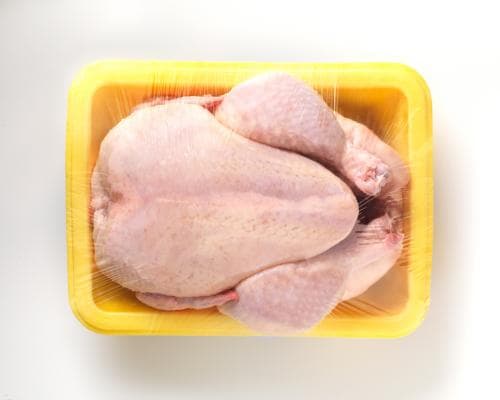
Picture the scene: a private chef in Bel Air, a Michelin-starred kitchen in Sydney, a superyacht galley off the Amalfi Coast. The ingredient they are all reaching for is not the rarest truffle or the oldest balsamic. It is chicken. Yes, chicken. The same humble bird that fuelled your childhood Sunday roast has become the quiet obsession of the world’s most discerning diners. And the reason has nothing to do with price. It has everything to do with provenance, precision, and a quiet rebellion against the chaos of red meat.
Here is the shocking number: Australians, a nation of connoisseurs, now consume nearly 55 kilograms of chicken per person each year. That is almost double the amount of pork, the second-most popular meat. While the price of beef has soared nearly 80% since 2010 and lamb by 40%, chicken has barely budged, rising just 20%. But for the ultra-wealthy, cost is irrelevant. What matters is consistency. Professor Stephen Walkden-Brown of Poultry Hub Australia explains that chicken meat is, in his words, “consistently good quality. You don’t get bunged batches of chicken meat that’s very tough or stringy.” This uniformity is a triumph of controlled production and the youth of the birds, which guarantees tenderness every single time. For a billionaire who expects perfection from every dish, that reliability is worth its weight in gold.
But here is where the story gets fascinating, and where the labels become a map of status. Walk into any high-end grocer and you will see a dazzling array of claims: organic, free-range, pasture-raised, corn-fed, RSPCA-certified, hormone-free. The truth? Most of these labels are marketing theatre. “Hormone-free” is a meaningless term because hormones have not been used in Australian chicken for over 60 years. “Australian chicken” is equally redundant, since it is illegal to import fresh chicken meat into the country. The real difference, says Walkden-Brown, is driven by consumer demands regarding animal welfare. “It’s a personal preference about how you think chickens should be raised.” And that preference, for those with the means, is a statement of values. The hierarchy is clear: the most expensive chicken is organic, then free-range, then RSPCA-certified. The cheapest is conventional. You pay for the story, not the taste.
Does the feed matter? Only slightly. Corn-fed chickens get a yellowish hue from the oil in the corn, which changes the colour of the fat and meat. Pasture-raised sounds bucolic, but chickens cannot handle much grass. The real rarity is in the details. For the collector of experiences, a chicken raised on a specific grain blend, in a specific region, by a specific farmer, becomes a terroir-driven luxury good. It is the same logic that drives a $500 bottle of Burgundy or a single-origin chocolate bar. The taste differences are subtle, but for a palate trained to detect nuance, they are everything. José Quinteros, a poultry health lecturer at the University of Sydney, confirms there is no evidence that different production methods significantly impact the taste. Yet the market disagrees. The ultra-wealthy are not buying chicken; they are buying a narrative of care, a promise of ethical exclusivity.
What does this signal about the luxury market? It signals a shift from ostentation to intention. The billionaire who once flaunted a Kobe beef dinner now quietly serves a perfectly roasted free-range chicken from a farm with a name. It is a quieter, more sophisticated kind of wealth—one that values craftsmanship over spectacle. The chicken industry, once seen as the lowliest of proteins, has been elevated by the same forces that turned water into a luxury brand. It is a symbol of taste that whispers rather than shouts. And as the global elite increasingly seek out experiences that align with their personal ethics, the humble chicken has become a canvas for their values: sustainability, animal welfare, and the pursuit of the perfectly consistent bite.
Looking forward, expect this trend to deepen. The next frontier will be hyper-local, hyper-breed-specific chickens—think heritage breeds, single-farm origins, and certifications that go beyond welfare to carbon footprint. The world’s most exclusive tables will soon feature a chicken that costs more per kilogram than a prime cut of wagyu. And the smartest investors are already placing their bets on the farmers who can deliver that story. For now, the lesson is simple: in a world of excess, the greatest luxury is knowing exactly what you are eating. And that, my friends, is a meal worth flying for.
The Experience
Arrange a private tasting with a farm-to-table curator in the Yarra Valley, where you can meet the farmer, tour the pasture, and select your own heritage-breed chicken for a bespoke dinner prepared by a Michelin-trained chef.