The Power Play: How Gianni Infantino's World Cup Victory Lap Became a Lesson in the Art of the Deal
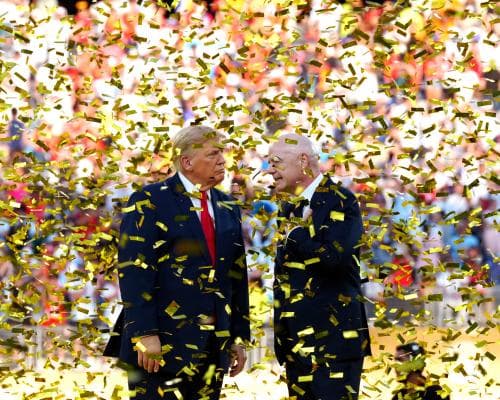
The final whistle had barely faded, the confetti still settling on the shoulders of Argentina's heroes, when Gianni Infantino picked up his phone. Not to congratulate a player or to savour the moment, but to post a 15-page Instagram manifesto. It was a masterclass in deflection, a pre-emptive strike against the "fake news" he claimed was sullying his month of "joy and happiness." For those who follow the ultra-wealthy, this was a familiar move: the art of controlling the narrative when the numbers start to look less like triumph and more like trouble.
But the ink on that post had barely dried before the Times dropped a bombshell that made the Instagram diatribe look like a rookie error. Infantino, it emerged, had been quietly engineering a $3.1bn plan to sell stakes in the World Cup itself to private investors. Not to sovereign wealth funds or visionary philanthropists, but to a consortium that reportedly included the brother of Jared Kushner, Donald Trump's son-in-law. This wasn't just a business deal; it was a power play that would have made the Medicis blush. The man who had just presided over the most commercially successful World Cup in history was now proposing to monetise the very soul of the game.
The reaction was swift and brutal, and it came not just from the usual critics but from the inner sanctum of football's aristocracy. Even Sepp Blatter, the disgraced former president who knows a thing or two about financial impropriety, felt compelled to tweet his discomfort. "The financial dimension is deeply damaging football," he wrote, a statement so rich in irony it could have been scripted for a prestige drama. Infantino's response was to retreat into the language of the boardroom, calling the plan "a proposal, an offer... part of a democratic process." But the democracy he invoked was a strange one: Fifa had given its 211 member associations a deadline of 19 September to back the scheme or lose their $15m cut. This wasn't a consultation; it was a hostage negotiation.
What made the scheme so audacious was its architecture. The plan, drawn up with US investment bank JP Morgan, described Fifa as "undermonetized" – a term that would make any luxury brand manager wince. The World Cup, the world's most-watched sporting event, was being treated like an underperforming asset, ripe for leveraged buyout. The proposed deal would have seen private investors take a cut of future revenues, with Infantino himself potentially earning tens of millions. It was a classic private-equity play, dressed up in the language of football governance. And when Uefa held an emergency meeting, all 55 members agreed to balk, accusing Fifa officials of "using our sport to enrich themselves and their friends." The language was blunt, but the sentiment was pure Mayfair: this was bad taste, and worse, bad business.
For those of us who chronicle the habits of the ultra-wealthy, this saga is a fascinating case study in the intersection of sports, power, and money. It reveals a shift in how the very rich view legacy assets. A football World Cup is no longer just a tournament; it's a trophy asset, like a Rothko or a first-edition Folio, to be leveraged, securitised, and traded. The controversy also signals a generational divide in luxury taste. The old guard, represented by Blatter and the traditional football federations, still clings to the notion that some things are sacred. The new guard, personified by Infantino and his financial backers, sees everything as an opportunity for yield. The fact that this deal collapsed under public pressure may be a temporary setback for the latter, but it's a harbinger of things to come.
As the dust settles, one can't help but admire the sheer chutzpah of the man. In a world where the ultra-wealthy increasingly seek to buy influence, Infantino attempted to buy the very game that made him famous. It's a move that would be at home in any private equity firm's playbook, but it struck at the heart of football's romantic appeal. The lesson for collectors and connoisseurs is clear: the most valuable assets are not those you can monetise, but those you can't. The World Cup, for now, remains priceless. But the question lingers: how long before someone tries to put a price tag on it again? In the gilded corridors of power, the deal is never truly dead – it's just waiting for a more discreet broker.