The New Forest Fire Isn't a Weather Story—It's a Capital Allocation Story
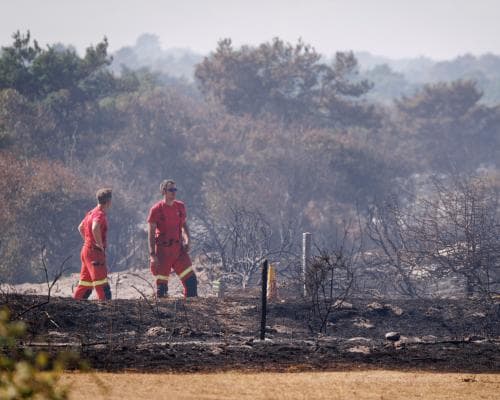
The smoke had barely cleared over Dunwich Heath before the National Trust blew past its £500,000 fundraising target. That's the good news. The bad news? Half a million pounds is pocket change when you're trying to rebuild a rare-bird habitat that scientists say will take decades to recover. And it's a rounding error compared to what Britain's fire services actually need.
The New Forest fire that began on protected heathland in Hampshire on Sunday was finally reported under control by Tuesday. But the relief was short-lived—temperatures are forecast to hit 36C or higher across parts of England on Thursday, and the Fire Brigades Union is bracing for more outbreaks. In the first ten days of August alone, firefighters responded to 185 wildfires across the UK. That's nearly 19 per day. The scale of the problem isn't a weather anomaly anymore; it's a structural shift in how capital needs to be deployed.
Here's the numbers game that matters for wealth builders. The FBU is demanding 5,000 additional firefighters and new equipment—a request that carries a price tag in the hundreds of millions, not the millions. In March, then fire safety minister Samantha Dixon admitted the fire and rescue service had suffered from 'decades of drift and inertia.' That's diplomatic language for 'we underinvested while the climate changed under our feet.' The result: a system designed for a cooler, wetter Britain now facing a summer where heathland turns to tinder and drought becomes the baseline.
For the wealthy, this is where the real story lives. Climate risk is no longer a distant ESG talking point—it's a pricing signal embedded in everything from insurance premiums to property values to the cost of municipal bonds. Europe is heating up faster than any other continent, partly due to its proximity to the melting Arctic. That means British assets—from coastal Suffolk estates to London commercial towers—are now carrying a climate risk premium that didn't exist a decade ago. Smart capital is already rotating: we're seeing family offices and institutional investors demand climate-resilient infrastructure in their portfolios, and they're willing to pay for it.
The Dunwich Heath fire is a microcosm of a larger capital allocation problem. The National Trust's fundraising success shows the public's willingness to pay for restoration—but restoration is not prevention. Conservationists and farmers are now publicly debating the best ways to manage heathland to reduce fire risk, which is really a conversation about who pays for proactive management versus reactive cleanup. The economics are stark: every pound spent on fire prevention saves multiples in response costs, property damage, and lost biodiversity. Yet the funding flows remain skewed toward the dramatic, post-disaster moment.
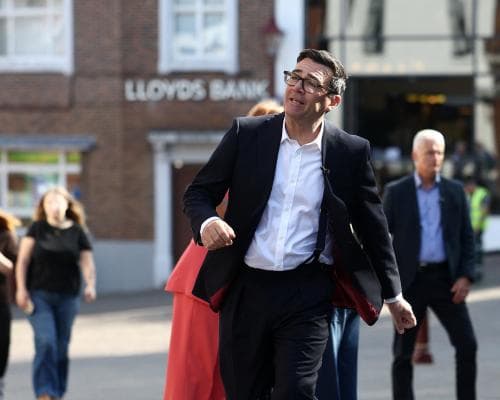
This summer's fires are also exposing a political blind spot. Andy Burnham, the Greater Manchester mayor, is focused on 'everyday fixes'—transport, housing, local services. But as UN climate chief Simon Stiell has warned, the global, existential nature of the climate crisis demands more than incrementalism. If political leaders don't find more to say about these disasters, they risk being left behind by voters who are increasingly feeling the heat—literally. For investors, that means political risk is now climate risk, and climate risk is now investment risk.
The forward-looking play is clear. The capital that will outperform over the next decade isn't in the companies that build fire trucks—it's in the systems that make fire trucks unnecessary. Think drought-resistant land management, water infrastructure, early-warning technology, and insurance products that actually price risk correctly. The National Trust's £500,000 is a drop in the ocean, but it signals something bigger: the public is ready to pay for resilience. The question is whether institutional capital will follow at the scale required. If this summer's fires don't move that needle, the next ones will—and they'll be more expensive.