The $300 Steak Disaster That Made Adam Liaw a Better Cook — And Why He Serves Dinner on a 600-Year-Old Plate
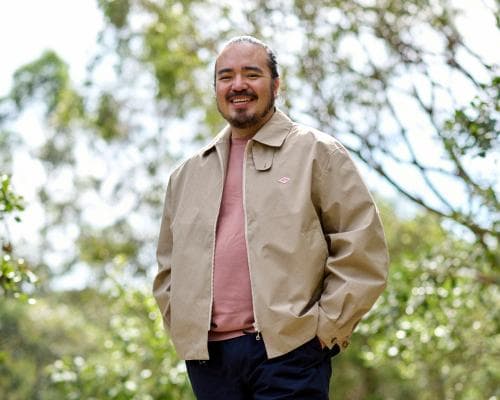
Adam Liaw’s wife once dumped a jug of water over Gordon Ramsay. Not on purpose. But try telling that to the most famous chef on the planet. Liaw laughs about it now. He can afford to. He’s the man who serves dinner on a 600-year-old plate and thinks nothing of it. That plate? An Edo-period relic from 15th-century Japan. Most collectors would encase it in museum-grade glass. Liaw piles food onto it. He says it’s the only way to honor the object. He’s right. The ultra-wealthy spend millions on provenance, then hide it behind security glass. Liaw understands that true luxury is lived, not locked away.
Here’s what you need to know: Adam Liaw won MasterChef Australia in 2010. Before that, he was a lawyer for Disney. Before that, he sold ice creams at the Australian Grand Prix for $30 a day in 45-degree heat. He’s now filmed nine seasons of The Cook Up with Adam Liaw. His most thrilling guest? Martin Yan of Yan Can Cook. Liaw was genuinely nervous. They made kung pao chicken together. But the story that matters most to the luxury set involves a $300 steak. Liaw’s father asked him to cook an expensive cut. He trusted a faulty thermometer. The steak came out ruined. He stopped using thermometers for six years. He learned to cook meat by touch. That $300 mistake turned into a skill that money cannot buy.
Craftsmanship is the soul of this story. Liaw’s 600-year-old plate is not a decorative artifact. It’s a working tool. He believes objects gain meaning through use. Antique collectors might be aghast. Liaw doesn’t care. He argues that the rarest things — whether a Ming vase or a first-edition Patek — should be handled, not hoarded. His teddy bear, Ralph, is a ratty stuffed dog he’s had since age two. He can’t throw it out. That’s the other side of his collection: one piece of sentimental junk, one piece of irreplaceable history. Together, they define his philosophy. Value is not about price. It’s about memory and function.
What does this signal about wealth and taste? The old guard buys art to fill a wall. The new guard buys art to fill a life. Liaw represents a shift among the ultra-wealthy toward experiential ownership. They want to eat off the antique, wear the vintage watch, drive the classic car. They know that a thing untouched is a thing unloved. The market is responding. Auction houses now sell “lived-in” luxury — items with patina, with stories. Liaw’s kitchen is a case study. He cooks for Gordon Ramsay. He dodges Mexican cartels on a film shoot (they literally shot up the airport). He learns mariachi music on the fly. These are not curated experiences. They are real. And that rawness is the new status symbol.
Forward-looking, the lesson is clear: The wealthiest people in the world are tired of perfection. They want texture. They want objects that have been dropped, dented, and used. Liaw’s 600-year-old plate is a metaphor for the future of luxury. It’s not about owning the rarest thing. It’s about using it so well that it becomes part of your story. The next time you buy a first-growth Bordeaux, drink it with friends. The next time you acquire a vintage Hermès, carry it in the rain. The $300 steak that Liaw ruined taught him more than any masterclass ever could. That’s the kind of education you can’t buy. But you can live it.
The Experience
Book a private culinary session with Adam Liaw through his agency for an intimate dinner where history meets the table — and you might just eat off a piece of the Edo period.
More in ENTERTAINMENT