The Last Pint Standing: Why London's Elite Are Fighting for the Right to Drink on Their Feet
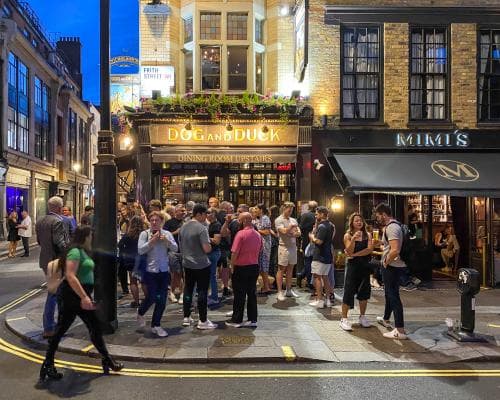
Picture this: you've just closed a deal that could fund a small nation's GDP. You're in London, the city where fortunes are made and unmade before the evening's first pour. You push through the brass-and-oak door of a Soho institution, the kind that's hosted everyone from Dylan Thomas to hedge fund kings. You sidle up to the bar, catch the bartender's eye—a subtle nod, a raised finger—and within moments, a perfectly pulled pint of bitter is in your hand. You turn, lean against the worn mahogany, and survey the room. This is not just drinking. This is the choreography of British social life, a dance of chance encounters and whispered deals that has played out for centuries. And now, Westminster City Council wants to kill it.
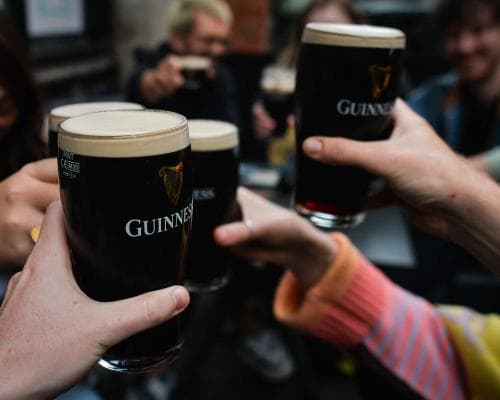
The council, which presides over the glittering chaos of Soho and the West End, has proposed a new licensing policy that would effectively ban what they call 'vertical drinking.' That's the beautiful, human art of standing at the bar, pint in hand, mingling with strangers and friends alike. Their recommendation? That pubs should 'discourage excessive drunkenness' by encouraging more seating and, crucially, moving to 'waiter or waitress service only.' In other words, they want to turn the great British pub into a sad, sedentary restaurant where you're confined to your table, your predetermined group, your own little bubble of privilege. The horror. The sheer, unadulterated horror.
This isn't just a bureaucratic power grab from a council that seems to have forgotten what a pub is for. This is an attack on the very fabric of London's social DNA. Philip Kolvin KC, the country's top licensing lawyer, put it perfectly when he said that vertical drinking is 'social drinking, allowing people to mix and socialise as they wish, rather than being confined to their predetermined groups.' He's right. The bar is the great equalizer. It's where a tech billionaire might find himself in conversation with a retired dockworker who knows a thing or two about the old East End. It's where a film star can laugh with a struggling playwright. That spontaneity, that glorious unpredictability, is precisely what the council's new policy would stamp out. They're not just regulating alcohol; they're regulating human connection.
And let's talk about the 'cumulative impact zone'—a wonderfully bureaucratic phrase that covers Soho and much of the West End. Under the draft policy, the council will 'normally refuse' any new application for a pub, bar, fast-food joint, or music venue in this area. So, not only can you not stand at the bar in existing pubs, but you can't even open a new one. It's a double whammy aimed squarely at the heart of London's nightlife. The city that gave the world the swinging sixties, the punk movement, and the rise of the modern superclub is being told, in effect, to sit down and shut up. Even Sadiq Khan, the Mayor of London, has called these 'restrictive and anti-growth policies,' and he's planning to use new powers from the government to call in licensing decisions and protect the capital's nightlife. For once, he's on the side of the angels—or at least, on the side of the bar.
For the ultra-wealthy, this isn't just about where to have a drink. It's about the preservation of a certain kind of cultural capital. The world's elite don't fly to London for the weather. They come for the history, the heritage, and the intangible magic that can only be found in a city where you can stand shoulder-to-shoulder with a stranger and feel, for a moment, like you're part of something bigger. The pub is the ultimate luxury—unpretentious, authentic, and irreplaceable. You can't buy a piece of it, but you can experience it. And that experience is now under threat. The council's consultation period is open, and they're inviting comments from 'residents of and visitors to Westminster.' If you have a voice, use it. If you have a pint, raise it.
This is a moment for the tastemakers, the connoisseurs, and the believers in the old ways to make themselves heard. London's nightlife has survived plagues, fires, and the Blitz. It can survive a council with a clipboard and a misguided sense of order. But it needs a little help from its friends—especially the ones with influence, money, and a deep, abiding love for the ritual of the raised glass. The future of the city's social soul depends on it.
The Experience
For a front-row seat to this cultural battle, book a private tour of London's historic pubs with a leading connoisseur, and raise a glass to the fight for vertical drinking.