The $100 Barrel Mirage: What the Geopolitical Pause Means for Portfolios of Consequence
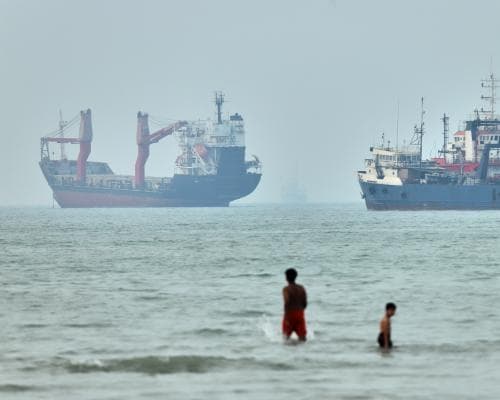
Last week, Brent crude kissed $100 a barrel. The kind of round number that makes private-jet fuel bills jump and sovereign wealth fund managers cancel their weekend in Monaco. Then, as quickly as it arrived, the spike dissolved. A 9% plunge in a single Monday morning, triggered not by a glut of supply or a demand collapse, but by a whisper: the United States and Iran had paused their hostilities. For a brief moment, the world’s most consequential oil chokepoint—the Strait of Hormuz—breathed.
Let’s rewind. The Houthis, Iran’s proxies, had torched Saudi tankers in the Red Sea. The US retaliated with a 13-day bombing campaign against Iranian assets. Oil surged to triple digits. Then, Donald Trump told reporters that the US was having “good talks” with Iran. Brent slid back to $88. The message was clear: the market is a hostage to headlines, not fundamentals. But for those who move capital in seven figures, the real story isn’t the price dip. It’s what the dip reveals about leverage, fragility, and the art of the deal.
Here’s the craftsmanship angle, if you will. A barrel of Brent crude is not a bespoke Hermès Birkin or a limited-edition Patek Philippe. Yet its rarity is engineered by geopolitics, not artisans. When the US ambassador to the UN, Mike Waltz, confirmed that Trump had paused strikes to allow diplomacy, the market exhaled. But the pause wasn’t born from goodwill. Military officials had reportedly warned the president that the bombing campaign had reached “the limits of its effectiveness” and that munitions stocks were dwindling. That’s not a ceasefire—it’s a logistical timeout. The price drop was a reflex, not a reprieve.
This matters to the ultra-wealthy because oil is the ultimate hedge and the ultimate hazard. A sustained $100-plus barrel would reignite inflation, forcing the Fed to hike rates, crushing bond prices, and making that new superyacht slip in Porto Cervo cost 15% more in real terms. Deutsche Bank analysts, led by Jim Reid, warned last week that the surge “added to fears that the global economy was facing a prolonged inflation shock.” The pause sent bond yields tumbling—UK 10-year gilts fell below 5%, two-year yields dropped to 4.35%. For a family office managing a multibillion-dollar portfolio, that’s a signal to rebalance into duration, fast.
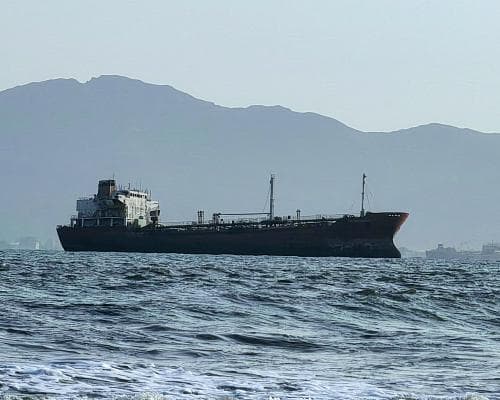
Yet skepticism lingers among those who watch these games for a living. Ole Hvalbye at SEB Research notes, “We’ve been here multiple times since March. Each rally on a leak has faded as substance failed to materialize.” John Evans at PVM is blunter: the market is “forever seeking good news from an arena that really is not providing any.” A mini-ceasefire doesn’t open the Strait of Hormuz. It doesn’t unclog the Bab al-Mandab. It just pauses the music. The tankers remain idle. The insurance premiums stay elevated. The real question for the wealthy is not whether oil will stay at $88, but who holds the leverage when the music stops.
Looking forward, the smart money is watching for a different kind of scarcity. If diplomacy fails—and history suggests it will—the next spike could be sharper and longer. The US has limited munitions. Iran has limited patience. The Gulf states have limited appetite for chaos. For the collector of rare assets, this is a moment to consider alternatives: direct stakes in midstream infrastructure, long-dated commodity futures, or even a private cargo of crude stored offshore. The pause is a window, not a solution. And in the world of the ultra-wealthy, windows are for stepping through, not staring at.
The Experience
Access real-time geopolitical risk assessments and exclusive commodity allocation strategies through our private wealth advisory network. Schedule a confidential consultation with our energy and macro team.
More in BUSINESS