The £5.75 Billion Quiet Exit: Why Private Equity Is Paying a Fortune for DCC Energy’s 50-Year Secret
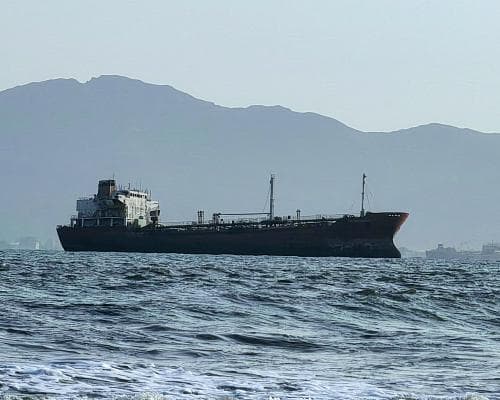
Here’s a number that should make you sit up: £65.25 per share in cash. That’s what KKR and Energy Capital Partners just agreed to pay for DCC Energy, one of the last great independent energy distributors on London’s FTSE 100. The total price tag? £5.75 billion. For context, that’s roughly the cost of a superyacht for every member of a small private club — except this time, the prize is a 50-year-old infrastructure empire that moves fuel across Europe like blood through veins.
Let’s rewind. DCC Energy isn’t a flashy tech unicorn or a drilling wildcatter. It’s the quiet, reliable backbone of energy distribution — the kind of business that wealthy families have quietly owned for decades because it never stops working. The deal gives shareholders a 24% premium over the share price in late April, plus a proposed final dividend of 147.22p per share and a potential extra £1.25 per share if DCC can sell its technology unit for at least $800 million. That’s not just a premium. That’s a velvet-glove exit.
Now, why does this matter to you? Because private equity doesn’t write cheques this size for sentiment. KKR and Energy Capital Partners see something the public markets have forgotten: heritage. DCC’s chairman, Mark Breuer, put it plainly: the consortium will be “strong stewards” of a 50-year legacy. That word — steward — is the language of dynastic wealth. This isn’t a flip. It’s a long-term play on energy infrastructure, the kind of asset that generates cash through cycles, wars, and policy shifts. For the ultra-wealthy, this is a masterclass in patience: buy what’s boring, hold what’s essential, and let time do the compounding.
The craftsmanship angle here isn’t about leather or movement. It’s about systems. DCC doesn’t just move oil and gas; it moves them with a precision that takes half a century to perfect. Think of it as the Patek Philippe of energy logistics — invisible to the public, but indispensable to those who know. The price tag reflects that rarity. There are only a handful of independent distributors left with this scale, this network, and this reliability. In a world chasing AI and crypto, KKR just bet £5.75 billion on the old-fashioned idea that moving energy is still the ultimate luxury business.
What does this signal about wealth and taste? It signals a shift. The super-rich are quietly rotating out of volatile tech and into hard assets that can’t be disrupted by a tariff or a tweet. DCC’s takeover is part of a pattern: Mitie, Intertek, easyJet, Beazley, Schroders — all picked off London’s exchange this year. The message is clear. Private capital values these businesses more than public markets do. For the discerning investor, the lesson is to look where the crowd isn’t. Energy distribution, midstream logistics, industrial services — these are the new blue chips for those who can afford to think in decades, not quarters.
And the forward look? This deal will close, DCC will vanish from the FTSE, and the consortium will likely expand its footprint across Europe and beyond. For the rest of us, it’s a reminder that the greatest fortunes are often built in silence. If you want a piece of this world, you don’t buy a stock — you buy the whole company. Or you find a fund that does. Either way, the clock on London’s public markets is ticking. The next move belongs to those who see value where others see infrastructure.
The Experience
To explore opportunities in private energy infrastructure and direct-investment vehicles, request a confidential briefing with our wealth advisory desk. Access is by invitation only.