The Ocean Has a Seat at the Table: Inside Scotland’s Radical New Boardroom
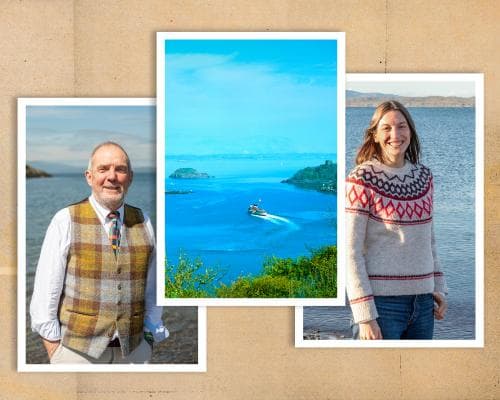
The view from the boardroom in Oban has always been spectacular. Through tall windows, trustees of the Scottish Association for Marine Science (Sams) could watch the Atlantic’s grey-green waves roll in, indifferent to the human chatter inside. But last month, something shifted. The ocean stopped being a backdrop. It became a colleague.
Sams, a 140-year-old marine research institution born in the Scottish Enlightenment, has appointed the ocean as a trustee. Yes, the actual ocean. When the board meets, a designated representative now speaks on behalf of the sea—advocating for its health, its rhythms, its right to function as an ecosystem. It sounds like a plot from a whimsical novel. But for Nick Owens, Sams’ director and a veteran marine scientist, it’s a logical, even urgent, step.
Owens spent years watching humanity make decisions about the planet without ever consulting the planet. “Our ethical decisions are almost entirely from the human perspective,” he told me. That asymmetry bothered him. He saw how Indigenous cultures in North America wove the natural world into their governance—not as a resource, but as a relative. So he asked a radical question: what if we gave nature a seat at the table?
The answer is not symbolic. The ocean trustee has real weight. Before Sams’ board votes on anything—research funding, infrastructure, partnerships—the ocean’s representative weighs in on how the decision might affect marine ecosystems. It’s a legal and ethical check, a way to force the room to think beyond quarterly reports and grant cycles. Sams isn’t the first to try this. In 2022, the eco-beauty company Faith in Nature made nature a formal director. Their brand director, Simeon Rose, says the move triggered a “mind shift” across the company, leading to tangible changes like sourcing decisions that prioritize ecosystem health over cost.
But Sams is different. It’s a scientific institution, not a cosmetics brand. Its entire reason for existing is to understand the ocean. Yet Owens realized that understanding wasn’t enough—not if the same institution was making choices that could harm what it studied. The ocean trustee is a mechanism to align action with mission. It’s a kind of philanthropic governance: giving a voice to the voiceless, not through charity, but through legal standing.
The broader impact is quiet but profound. This isn’t a billionaire writing a check; it’s an organization rewriting its DNA. It challenges the culture of giving itself. Philanthropy often means humans deciding what nature needs—a coral reef restoration here, a clean-water fund there. But what if nature could tell us? What if we listened before we acted? Sams’ move is a small, local experiment, but it echoes a global movement: the push for legal rights for rivers, forests, and ecosystems. From New Zealand’s Whanganui River to Ecuador’s constitutional rights of nature, the idea is spreading.
For Owens, it’s about humility. “There was this notion for a long time that the planet was so big we couldn’t possibly have any impact,” he says. “We now know better.” The ocean doesn’t speak English. It doesn’t lobby. But at Sams, it finally has a proxy. And in a world where philanthropic gestures often feel like throwing money at symptoms, this is something rarer: a structural change in how power is shared. The waves still break against the Oban shore. Now, they also break into the boardroom.