The £400 Million Loophole: How Britain's Elite Commuters Are Gaming the Rails
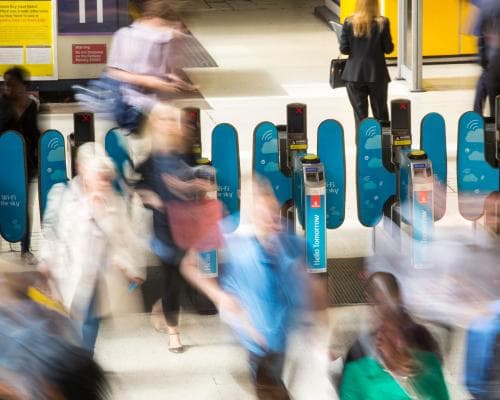
There's a quiet thrill in beating the system—especially when the system is a tired, overcrowded railway that treats you like cargo. For years, a certain breed of British commuter has perfected the art of the digital dodge: a tap here, a swipe there, and suddenly a journey from the Kent coast to London Bridge costs less than a cappuccino at the terminus. The trick, known as 'short-faring,' involves buying a last-minute ticket for the final stretch of a journey—just enough to bleep through the barriers—while the rest of the ride goes unpaid. It's a game of cat and mouse that has cost the rail network up to £400 million a year. And now, the operators are finally fighting back.
This isn't petty theft. This is a sophisticated, tech-savvy hustle that has become almost fashionable among the commuting classes. Take Joseph Molloy, a former HSBC executive who used the 'donutting' technique—buying a cheap ticket for the first leg and another for the last, while skipping the expensive middle—740 times over 11 months. His savings: £5,911. That's not pocket change. That's a bespoke suit, a vintage watch, or a weekend in the Cotswolds. Molloy received a suspended sentence, but his story is a window into a mindset that treats public transport as a game of financial chess. Why pay for the full journey when you can outsmart the algorithm?
The crackdown is coming, and it's already reshaping the commuter experience. South Western Railway and GTR—which runs Thameslink, Southern, and other routes—have identified routes where up to 95% of digital tickets are fraudulent. On the Vauxhall to Waterloo stretch, or from Norwood Junction to London Bridge, you can no longer rely on a last-minute tap. Instead, you'll need to collect a physical ticket from a machine. It's a deliberate inconvenience, a velvet-rope policy designed to make cheating harder than paying. The railway commentator Christian Wolmar calls it 'a completely different form of ticketing'—one that has opened new loopholes even as it closed old ones. The ticket office is dead; long live the QR code. But with every innovation comes a counter-move, and the operators are now playing defense.
For the ultra-wealthy, this is more than a story about fare evasion. It's a lesson in the value of friction. The same people who pay for private jets and first-class cabins to avoid the scrum of commercial travel are suddenly facing a world where their daily commute—the great equalizer—is being stripped of its loopholes. There's a certain irony that the very technology designed to streamline our lives has made it easier to cheat the system, and now the system is fighting back with old-fashioned paper tickets. It's a reminder that true luxury isn't about getting away with something; it's about the effortless experience of not having to think about it at all.
But the deeper signal here is about trust—and its erosion. When a former HSBC executive can rationalize thousands of pounds in fare evasion, it speaks to a broader cultural shift among the professional classes. The 'donut' isn't just a scam; it's a symptom of a society that increasingly values personal optimization over collective obligation. The rail operators, backed by the government, are betting that inconvenience will restore integrity. But will it? Or will the cheats simply find new workarounds—perhaps a contactless card that resets its origin, or an app that spoofs a GPS location? The cat-and-mouse game is far from over.
Looking ahead, the luxury market should take note. This crackdown signals a return to tangible, verifiable experiences—the physical ticket as a status symbol of compliance. For those who value time over money, the real luxury is a seamless journey, unburdened by the mental gymnastics of fare evasion. The future of premium travel isn't about hacking the system; it's about the quiet confidence of knowing you've paid your way—and that the doors open for you without a second thought. As the railways tighten their gates, the truly wealthy will be the ones who never had to look for a loophole in the first place.
The Experience
For the ultimate in seamless travel, consider a private rail charter or first-class membership that bypasses ticketing altogether—because the best way to beat the system is to not play it.