Wimbledon’s Wild Card: The Court Where Fortunes Are Made
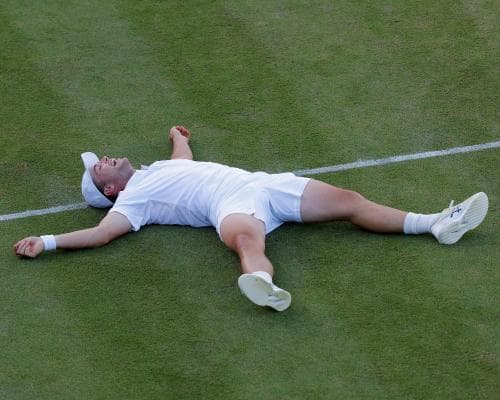
The sun sinks low over SW19, casting long shadows across the immaculate turf. On No. 2 Court, a hush falls, then erupts. Arthur Fery, a British wildcard with a nose for the dramatic, has just thrown himself onto the grass in sheer, unguarded joy. He has done it—won a five-set epic against Zizou Bergs, securing a place in the last sixteen for the first British male wildcard since 1993. This is not just a tennis match. This is the kind of moment that defines a career, and for the discerning traveller, it is the precise reason to book a trip to Wimbledon.
For those who treat the world as their private club, Wimbledon remains the ultimate summer fixture. The All England Club is a fortress of tradition, where strawberries and cream taste of nostalgia and the dress code is a quiet rebellion against a casual world. But the true connoisseur knows that the magic is not in the centre-court roar alone. It is in the intimate theatre of the outer courts, where you can stand so close to the baseline that you hear the grunt, the thwack, the sharp intake of breath. Here, on No. 2, Fery’s journey unfolded: a lucky net cord here, a missed apology there, and a service ace that silenced the doubters. The crowd, a mix of members in linen blazers and guests with coveted debenture tickets, leaned in as one.
The access is everything. A debenture ticket—a rare, transferable share in the club—grants entry to the show courts, but the real prize is a hospitality pass that opens the Members’ Enclosure or the private boxes overlooking the lawns. Think Pimm’s poured from silver jugs, lobster salads served on bone china, and the quiet hum of conversation between billionaires and baronets. Yet even the most lavish package cannot script a moment like Fery’s. As he aced Bergs, then collapsed in disbelief, the crowd forgot the champagne flutes in their hands. This is the ineffable thrill of live sport: the knowledge that you are watching something that cannot be replicated, not even for a king’s ransom.
The price of entry is steep. A single debenture for the men’s final can command upwards of £10,000 on the secondary market, while a full fortnight’s hospitality in the finest suites runs into the tens of thousands. But for the ultra-wealthy, the cost is incidental. What matters is the rarity: the chance to witness a player like Fery, a wildcard with nothing to lose, seize his moment under the fading sun. It is a reminder that luxury travel is not about the thread count of your bedsheets, but about the stories you bring home. And this story—of a 21-year-old British hopeful, a raucous crowd, and a court that feels like a secret—is worth every penny.
What does this signal about the future of luxury travel? It suggests that the wealthy are craving authenticity over artifice. The superyacht is lovely; the private jet is efficient. But the spontaneous roar of a crowd at a moment of pure, unscripted triumph is irreplaceable. Wimbledon, for all its stiff upper lips and cream teas, delivers that in spades. The next frontier for the discerning traveller is not a new island or a hidden hotel, but the rediscovery of these sacred sporting arenas—the places where history is made, not just observed. As Fery said, ‘I asked to play on this court. I love this court.’ And so will you.