Salah's Black Sea Bet: How a Billionaire-Backed Turkish Outpost Is Rewriting Football's Wealth Map
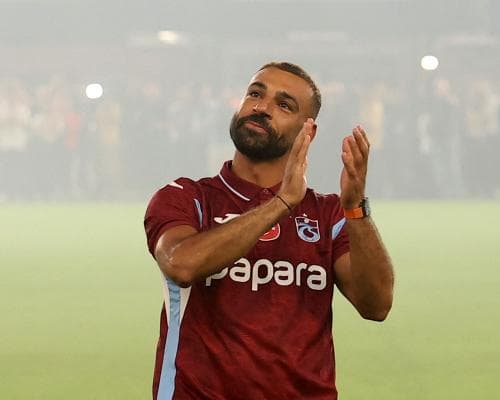
It started with a text message sent during the World Cup. Ertugrul Dogan, the president of Trabzonspor, was watching Egypt play when he turned to his manager, Fatih Tekke, and asked a question that would upend Turkish football's power structure: “Coach, do you want Mohamed Salah?” The reply was instant, the pursuit quiet. For weeks, the football world assumed the Egyptian icon would land at Besiktas, one of Istanbul's Big Three — Galatasaray, Fenerbahce, and Besiktas — the clubs that have long acted as the financial and cultural gatekeepers of the Süper Lig. But Salah chose Trabzonspor. And in that single decision, he didn't just change jerseys; he bet on a city that has been fighting for relevance, both on the pitch and in the global economy.
This isn't just a sports story. It's a wealth story. Istanbul has long been the undisputed financial heartbeat of Turkey — the commercial engine that attracts foreign capital, luxury real estate, and the world's biggest football names. The Big Three's monopoly on marquee signings wasn't just about trophies; it was about market share. They controlled the sponsorship dollars, the global broadcast attention, and the premium player market. Trabzonspor, by contrast, represents the Black Sea region — a proud, working-class area with a maritime industrial past that feels politically and geographically sidelined. Its stadium, Şenol Güneş, sits on a hill overlooking the sea, a symbol of a city that has always had to work harder for attention. Salah's arrival changes that calculus overnight.
The numbers tell the story. While the exact transfer fee hasn't been disclosed, sources close to the deal suggest it's in the region of €150 million over three years, including wages and signing bonuses — a figure that would make Salah one of the highest-paid players in the world outside the Saudi Pro League. But the real money is in the ripple effects. Trabzonspor's social media following exploded by 40% in the first 48 hours after the announcement. The club's official merchandise store crashed twice under the weight of orders. Local hotels are reporting a surge in bookings from Egyptian tourists and Gulf-based investors, all eager to see the man who has scored over 200 goals in European football. This isn't just about ticket sales; it's about positioning Trabzon as a destination.
And that's the deeper play. Trabzon's municipal government has been quietly pushing a master plan to revitalize the city as a maritime trade, tourism, and logistics hub — a counterweight to Istanbul's dominance. The city's port is being expanded to handle larger container ships. A new airport terminal is under construction. And now, with Salah as the global face of the city, the marketing budget just got a massive boost. For the wealthy and the ultra-wealthy, this is a lesson in how to spot undervalued assets. Trabzon isn't just a football club; it's a proxy for a regional economy that's about to get a wave of infrastructure investment and tourism dollars. The smart money is already circling — not just on the pitch, but on the city's real estate and logistics sectors.
Salah's choice also signals a shift in how top talent views their own brand equity. He's not just chasing trophies; he's building a legacy in a place that will worship him like a god. Trabzon's fans are famously fervent — they've been called the 'Newcastle of Turkey' for their working-class devotion — and they'll give Salah a level of adoration that Istanbul's split loyalties can't match. For a player who's already won everything at Liverpool, this is about something more than silverware. It's about becoming the center of a story, the catalyst for a city's rebirth. And for the investors who back these clubs, it's a reminder that passion is a commodity — and it can be monetized.
What does this mean for the broader market? The Big Three's monopoly is no longer absolute. Regional clubs with deep-pocketed owners — and Trabzonspor has been backed by a mix of local businessmen and international funds — can now compete for global icons. That's a warning to the traditional powerhouses of European football: the geography of wealth is flattening. Money flows to where the story is most compelling, and right now, the most compelling story in football is on the Black Sea. For the wealthy, the lesson is to look beyond the obvious centers of power. The next big opportunity might just be in a place that's been overlooked — a place with fierce loyalty, a hungry market, and a superstar who can light it up.