The First Direct Hit: Why Russia’s Strike on a US Drone Factory in Kyiv Rewrites the Rules of War-Tech
In the gray dawn over Kyiv last Friday, a Russian ballistic missile erased a building that didn't just house machines — it housed a bet on the future of warfare. The factory belonged to Terminal Autonomy, a US corporation registered in Delaware, and its destruction marks the first direct strike on an American-owned defense asset in this war. This wasn't collateral damage. It was a message: in the age of AI-guided drones, the factory floor is the new front line.
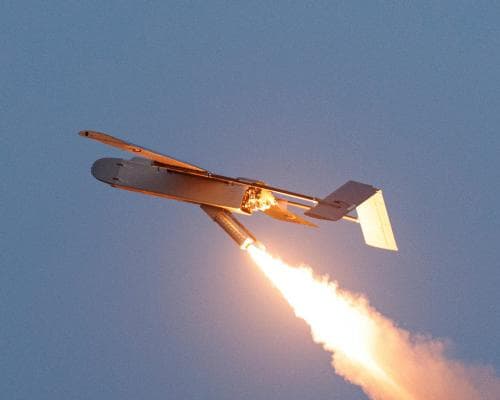
Terminal Autonomy builds what it calls "deep-strike" loitering munitions — essentially kamikaze drones that can loiter over a target for minutes or hours before striking. The key innovation is in the guidance system: when Russian jamming cuts radio signals or mobile networks, an onboard AI takes over terminal control of the weapon. That's the "terminal autonomy" in the name — the final, lethal phase where the machine decides. The company's website proudly states these drones are already "in active service against enemy assets on the frontline." Now the Russians have made clear they know exactly where those drones come from.
Anthony Vinci, a former senior US intelligence officer and author of *The Fourth Intelligence Revolution*, put it bluntly: "The Russians don’t care who owns the manufacturing facility. It’s still a target." That's the cold arithmetic of modern warfare. For the deep-tech community, this strike is a wake-up call. If you build next-generation weapons in a war zone — even under the protection of a US corporate registration — your facility is fair game. The Delaware incorporation didn't shield Terminal Autonomy. It just made the target more symbolic.
The timing is telling. Just weeks earlier, Donald Trump signaled a shift in US policy, saying Washington would license Ukraine to manufacture Patriot anti-aircraft missiles domestically. Vinci warned that if that happens, "the Russians would target that manufacturing facility" too. This strike is a preemptive shot across the bow: Moscow is drawing a line around any American defense production on Ukrainian soil.
For investors and strategists tracking the robotics and defense sector, this changes the calculus. The trend is unequivocally up for AI-guided munitions — demand is surging, and Terminal Autonomy's technology is proven in combat. But the supply chain just got riskier. Building drones in Ukraine offers proximity to the battlefield and rapid iteration based on real-time feedback. It also offers a target-rich environment for Russian missiles. The question now is whether other US defense startups will follow Terminal Autonomy's model — or whether they'll retreat to safer soil, trading speed for security.
The Russian state news agency Tass reported the strike on Sunday, citing the defense ministry, but notably omitted the American ownership. That omission is itself a signal: Moscow wants to normalize targeting Western defense infrastructure without escalating the diplomatic rhetoric. They know the factory was American. They hit it anyway.
What comes next is a test of nerve. Will the Pentagon or State Department publicly protest? Will other US drone makers like AeroVironment or Shield AI reconsider their Ukrainian partnerships? Or will the Biden administration quietly greenlight more on-shore production, accepting the risk as the cost of winning the drone war? Terminal Autonomy hasn't commented, and the Ukrainian defense ministry is silent. But the silence from Delaware speaks volumes.
This strike is a harbinger. As AI-guided loitering munitions become the backbone of modern asymmetrical warfare, the factories that build them will be treated as high-value military assets — regardless of who owns them. The next generation of defense robotics won't just be built in secret. It will be built in bunkers, or not at all. For the billionaires and elite capital pouring into deep-tech defense, the lesson is brutal: you can register your company in Delaware, but you can't hide your factory from a ballistic missile.