The Quiet Mastery of Spain’s World Cup Machine — and the Watch That Ticks With It
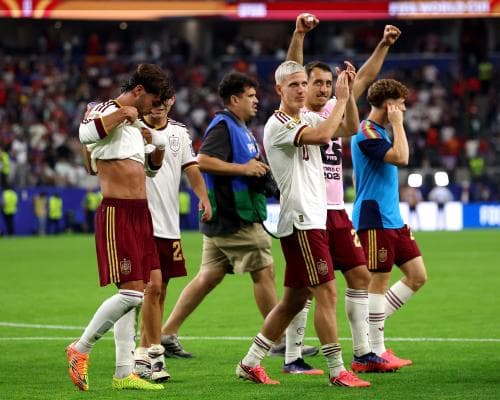
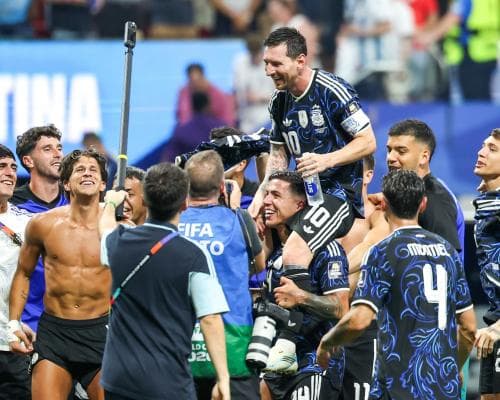
The noise came first. A roar from the dressing room in Arlington, then a voice cutting through the chaos: “What a fucking recital!” Marc Cucurella’s exclamation was not just joy — it was the sound of a plan executed to perfection. Spain had just dismantled France in the World Cup semi-final, 3-1, sending Kylian Mbappé, Ousmane Dembélé, and Michael Olise home. King Felipe called. Pizza was passed around. Jamaican music blasted. And somewhere in that room, a few players sat still, watching their own hands, as if checking that the mechanism inside had actually performed what they had dreamed.
This was not a victory of individuals. It was a victory of the collective — of control, of rhythm, of a system so finely tuned that it made the French superstars look like soloists drowning in an orchestra. Spain coach Luis de la Fuente had told his “family” before the match: “We’re facing one of the best lineups in the world, but we’re the best team in the world.” He was right. And in the world of luxury, where the ultra-wealthy collect, drive, and wear objects of similar philosophy, this is the kind of story that matters. Because the best things are rarely the most obvious.
Think of the watch on the wrist of a quiet billionaire. It is not the one with the most diamonds or the loudest brand ambassador. It is the one with a movement so refined that you can barely hear it tick — a perpetual calendar, a tourbillon, a minute repeater that chimes only when you ask. That is Spain’s 2025 World Cup team. They don’t have a single player who dominates the Ballon d’Or conversation. They have Lamine Yamal, still a teenager, who posted “Pardon pardon” after pocketing France’s stars. They have Dani Olmo, who said after the match, “It was written: we started in Atlanta and we end in New York.” And they have a coach whose pre-game speech crystallised into one line: “Be yourselves.”
This is the craftsmanship of restraint. For three consecutive tournaments — Euro 2024, Nations League 2025, and now the World Cup — Spain have knocked France out in the semi-final. The pattern is not coincidence; it is engineering. Each pass, each press, each moment of patience is a gear turning in a movement that has been assembled over years. De la Fuente spent 50 days and more refining that message. “This is a unique stage, the kind of moment that may never be repeated again,” he told them. And they responded not with heroics, but with control. The scoreline was 3-1, but the real margin was in possession, in structure, in the quiet confidence that says: we do not need to shout.
For collectors, this is the rarest kind of piece. In a market flooded with limited editions and celebrity endorsements, the true connoisseur seeks the piece that tells a story of discipline. A Patek Philippe Grandmaster Chime doesn’t need a neon strap. A Spain team that beat France with collective intelligence doesn’t need a galactico. The price tag of this victory is not in transfer fees — it is in the hours of unseen work, the refinement of a system that looks effortless only because it is so deeply practiced. The ultra-wealthy understand this: they pay for the invisible, for the heritage that cannot be faked, for the rarity that comes from saying no to excess.
What does this signal about luxury taste today? That the loudest watch in the room is often the least interesting. That the ultimate status symbol is not a name everyone recognises, but a quality that only those who know can appreciate. Spain’s World Cup run — now heading to the final in New York — is a reminder that real power is quiet. It is the control of the collective. It is the watch that keeps perfect time, not the one that screams for attention. As the team bounced to Bam Bam, some sat still, taking it in. They knew what they had done. And so did anyone who understands that the best things are never the most obvious.
Forward, then, to the final. To New York. To a team that may never be repeated, as De la Fuente said. But if they win, the story will not be about a single moment of genius. It will be about the movement that made it possible. The one that ticks with the precision of a grand complication — and the quiet mastery of a team that knows exactly who they are.