The Quiet Billionaire's New Playground: Vinted's Australian Invasion
There's a moment every connoisseur knows—the thrill of uncovering a treasure in an unlikely place. For the world's wealthiest, that moment now happens on a phone screen, bathed in the glow of a teal logo that screams 'not trying too hard.' Vinted, the Lithuanian-born secondhand fashion app, has landed in Australia, and it's not just a shopping platform. It's a signal. A declaration that the smartest money doesn't flaunt; it curates. The old rules of luxury—buy new, buy loud, buy now—are crumbling. In their place: a new code where the ultimate flex is a perfectly sourced vintage find at a fraction of its original price, secured before anyone else even knew it existed.
The numbers are staggering, even for a market accustomed to excess. Within weeks of its July 1 launch, Vinted became one of Australia's most-downloaded apps. The country's 'recommerce' market is projected to hit US$6.75 billion by 2029, and early data shows 91% of Australians have already bought or sold secondhand. But this isn't about bargain hunting. It's about access. Vinted unlocks a global wardrobe—a Parisian's archive, a Londoner's cast-offs, a Milanese edit—delivered to a Perth penthouse with a tap. Guen de Mello, the platform's communications manager, calls the response 'encouraging,' but that's an understatement. For the ultra-wealthy, this is a gamechanger. It's the difference between wearing what everyone else can buy and wearing what no one else can find.
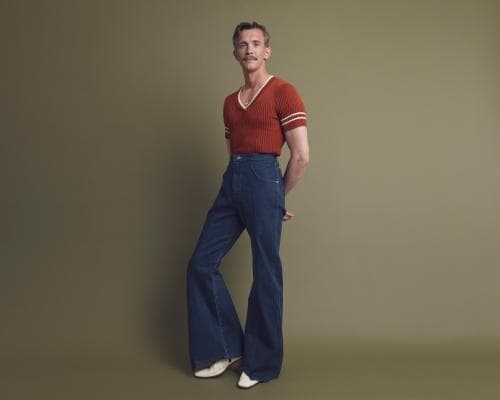
Consider the craftsmanship angle. The pieces that command attention on Vinted aren't mass-produced fast fashion; they're the quiet luxury items—a hand-stitched leather bag, a tailored blazer from a bygone season, a pair of boots that have aged like fine wine. Perth-based SJ Keats, a seasoned reseller, recently found two handbags in different colors for $10 each—bags she'd originally paid $100 for. That's not a transaction; it's a heist. The platform's lo-fi interface, free listings, and seller-friendly model keep prices refreshingly low, ensuring that the true value lies not in the price tag but in the story, the rarity, the provenance. For the discerning buyer, this is the new heritage: not a certificate of authenticity, but a narrative of discovery.
This shift signals a profound evolution in taste. The ultra-wealthy no longer need to prove they can spend; they need to prove they can see. Vinted's algorithm—uncannily attuned to desire—becomes a tool for the modern tastemaker. It's a forecasting engine, as Melbourne fashion student Lily Johnston notes, allowing early adopters to track trends from the UK and Europe before they hit Australian shores. The savvy investor doesn't just buy stocks; they buy silhouettes. They spot a rising designer's early work or a classic piece that will never go out of style. The sustainability angle is a bonus, a quiet nod to responsibility, but the real allure is intellectual. It's the thrill of the hunt, the satisfaction of outsmarting the market, the pleasure of owning something that exists in only a handful of closets worldwide.
What does this mean for the luxury market? For established houses, it's a wake-up call. The resale market is no longer a shadow economy; it's a parallel universe where value is determined by discernment, not by the boutique's lighting. Competitors like Depop and eBay are already slashing fees to keep up, but Vinted's Australian arrival has set a new standard. The future is not about owning more—it's about owning better. The billionaires of tomorrow will be measured not by their net worth, but by their net curation. And for those who understand this, Vinted isn't just an app. It's a private club, a global network, and the most exclusive boutique on earth—available to anyone smart enough to see it.
The Experience
To experience this new era of luxury, download Vinted and set your location to a global fashion capital. Let the algorithm become your personal shopper, and prepare to be amazed.