The Phantom Palace: Inside the £30 Billion AI Dream That Never Left the Boardroom
Imagine buying a private island sight unseen. You pay the deposit, hire the architects, and issue a press release about your new paradise. Then you never board the plane. That, in essence, is the story of Stargate UK—the most hyped artificial-intelligence infrastructure project in British history. And for anyone who moves capital at scale, it is a masterclass in the difference between a headline and a handshake.
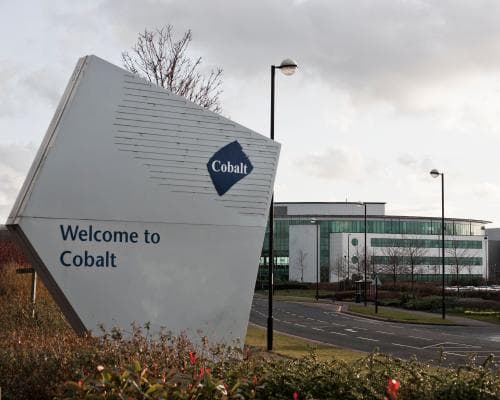
The numbers were intoxicating. OpenAI, the oracle behind ChatGPT, pledged to build a multibillion-pound datacentre network across Britain. The UK government, eager to cement its post-Brexit status as a global tech hub, slapped the “AI growth zone” label on a site in North Tyneside called Cobalt Park. The total investment floated? A dizzying £30 billion. The message was clear: the future of intelligence was being built on British soil, with American firepower and British ambition. But a recent investigation has pulled back the velvet curtain. It turns out that £20 billion of that sum was entirely hypothetical—a number cooked up for a press release, not a balance sheet. OpenAI never visited the key site. Neither did its UK partner, Nscale. Only Nvidia, the chipmaker, sent a representative—five months after the grand announcement, when the champagne had already gone flat.
Let’s talk about what was actually supposed to happen. Stargate UK was to be a sprawling network of datacentres, the physical cathedrals where AI models are trained and housed. The crown jewel was Cobalt Park, a business park in North Tyneside that the government designated with great fanfare during a visit by then-President Donald Trump. Sources with direct knowledge of the process describe a frantic scramble: the government approached Nscale and OpenAI just days before Trump’s arrival, asking them to agree to the project. “They needed a big announcement,” one source said. The result was a classic high-gloss photo op—a ribbon-cutting for a building that didn’t exist, backed by a promise that had never been vetted. When the plug was pulled in April, citing regulation and energy costs, the silence from the local authorities in North Tyneside was deafening. They had never even been asked for a meeting.
For the ultra-wealthy, this story is not about politics. It is about craftsmanship—or, in this case, its absence. True luxury has always been about the physical: the weight of a hand-stitched leather bag, the grain of a rare wood veneer, the cold precision of a bespoke engine block. AI infrastructure is no different. A datacentre is not a software update; it is a fortress of concrete, copper, and cooling systems, built on land that must be zoned, powered, and secured. The failure to visit the site—to walk the soil, meet the planners, smell the air—is the equivalent of commissioning a custom yacht without ever stepping into the shipyard. It signals a disconnect between the abstract promise of “AI leadership” and the gritty reality of construction. And for investors who have been pouring billions into AI, it raises a chilling question: how many other palaces are still just PowerPoint slides?
This matters because the luxury market is increasingly defined by access to exclusive, real-world assets. A private jet is not just a way to fly; it is a statement that you own the horizon. A handbag from a maison that still uses ateliers in the Marais is a declaration of taste over trend. Stargate UK, in its failed form, represents the opposite: a deal that was all brand and no substance. It signals a troubling trend in the tech sector—the substitution of hype for heritage, of press releases for progress. For the discerning collector of wealth, the lesson is clear: when someone promises you the future, ask to see the foundation. The most valuable asset in the world today is not data. It is delivery.
Looking forward, the fallout from Stargate UK will ripple through boardrooms and private investment clubs. The UK government’s credibility is dented, but more importantly, the appetite for large-scale AI infrastructure bets may cool. Smart capital will pivot toward projects that can prove they have boots on the ground—literally. We may see a renaissance in smaller, more deliberate builds: boutique datacentres powered by dedicated renewable energy, designed with the same obsessive attention to detail as a penthouse in Mayfair. The era of the phantom palace is ending. The era of the real one is about to begin. And for those who have the patience to visit the site, shake the hands, and read the fine print, the rewards will be immense.
The Experience
Access the inner circle of AI infrastructure investment through a curated private briefing with our partners at a members-only Mayfair club. Contact your concierge for an introduction.