The Rapacious Ascent: Watching Pogacar Devour the Vosges
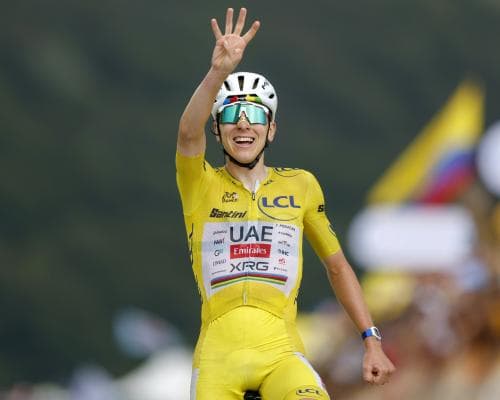
The air at Le Markstein tasted of pine and dust and ambition. From the terrace of a private chalet perched above the final climb, you could feel the vibration before you saw the riders—a low hum that built into a roar as the peloton snaked through the Vosges. Then, 1.6 kilometres from the summit of the Col de Haag, Tadej Pogacar did what he does best. He stood on his pedals and simply erased the competition.
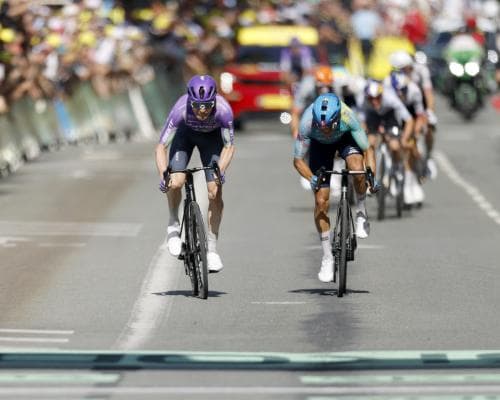
This was not a sprint. This was a surgical strike. Jonas Vingegaard, Paul Seixas, Florian Lipowitz—all left in the slipstream of a man who seems to treat the Tour de France as a private exhibition. For the ultra-wealthy traveller, there is no better vantage point than a helicopter hovering just above the race, or a rented farmhouse turned into a pop-up champagne salon. You don't just watch Pogacar climb; you witness a kind of kinetic sculpture, a blur of carbon and cartilage moving at speeds that defy logic.
The significance of Stage 14 goes beyond the yellow jersey. It signals a shift in how the world's most discerning travellers experience the Tour. Gone are the days of jostling with crowds on a roadside verge. Now, the cognoscenti book multi-day itineraries with bespoke operators who arrange helicopter transfers, private chefs, and sommeliers who pair Burgundy with each summit. One such operator, based in the Rhône-Alpes, offers a 'Pogacar Package' that includes a chalet with a helipad, a personal guide who radios race commentary in real time, and a dinner prepared by a three-Michelin-star chef who once fed the UAE Team Emirates squad.
The rarity of this experience is its price point. A single day's access to a prime viewing spot—say, a vineyard owned by a Bordeaux aristocrat—can run upwards of €15,000. For the full week in the Vosges, expect to part with €80,000. But for those who can afford it, the dividend is not just proximity to greatness; it's the story. "I watched Pogacar break Vingegaard on the Col de Haag," becomes a line whispered at Gstaad dinner parties. It is a badge of belonging, a marker of having been there when the impossible became inevitable.
What this signals about luxury travel today is a hunger for authenticity wrapped in opulence. The wealthy no longer want to be passive observers. They want to feel the gradient in their calves, taste the dust on their lips, and hear the crackle of the team radio. They want to be part of the narrative, even if they're sipping a 1998 Château Margaux while doing it. The Tour de France, once a working-class spectacle, has been reimagined as a mobile gallery of human endurance—and the wealthy are its most ardent collectors.
Where do the wealthy go next? They follow the mountains. After the Vosges, the smart money moves to the Alps, where private chalets in Courchevel and Val d'Isère are already booked for next year's stages. But the truly prescient travellers are looking beyond France. There are whispers of a luxury expedition that shadows the Giro d'Italia's Dolomite stages, complete with a vintage Alfa Romeo convoy and a truffle hunter on retainer. The lesson of Stage 14 is simple: the best seat in the house is never a seat at all. It's a helicopter, a vineyard, or a chalet—and a man named Pogacar, doing what he does best.