The Resurrection of a British Icon: Rolls-Royce’s £120 Billion Ascent
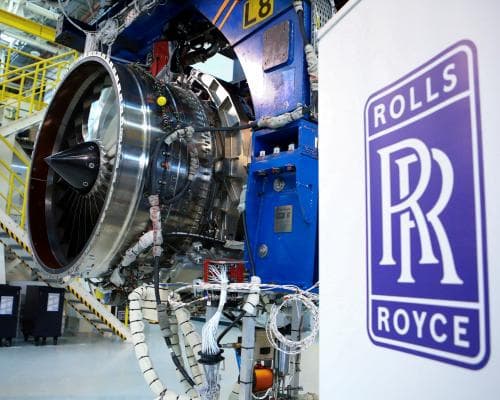
A year ago, Tufan Erginbilgiç stood before the City and declared that Rolls-Royce could become the most valuable company on the London Stock Exchange. The room likely chuckled. The engine-maker was still reeling from the Covid decimation of global aviation — a corporate calamity that had turned its balance sheet into a cautionary tale. Fast forward to today, and the laughter has been replaced by a quiet, awed silence. Rolls-Royce is now valued at £120 billion, neck and neck with Rio Tinto for fourth place in the Footsie. The joke, it seems, was on everyone else.
This is not just a financial recovery; it is a narrative of improbable resurrection. Erginbilgiç, a former BP executive with a reputation for surgical precision, took the helm in early 2023 and immediately set about dismantling the inertia that had plagued the company. The share price has soared tenfold since those dark days. But what makes this story truly fascinating for the luxury-obsessed reader is not the raw numbers — it is the audacity of the vision. Erginbilgiç is betting that the same engineering DNA that powers the world’s most opulent cars can also power a corporate renaissance. And so far, the market is buying it.
Thursday’s half-year results brought the usual upgrade to financial forecasts — cashflow for the full year is now expected to be £200 million better than previously predicted, landing between £3.8 billion and £4 billion, while operating profits have been bumped up by £700 million to a range of £4.7 billion to £4.9 billion. Those are not just numbers; they are proof of concept. Erginbilgiç’s strategy hinges on investing in engine reliability to renegotiate contracts with airlines on a “win-win” basis. It is a quiet, methodical campaign — more stealth than spectacle — but the results speak in a language the ultra-wealthy understand: compound growth.
Yet the long-term projections rely on more than just widebody-aircraft engines. Defence, naturally, is a safe bet. The sight of the Prime Minister at Barrow-in-Furness last week served as a reminder that Rolls-Royce builds the nuclear propulsion systems for the UK’s submarines. In an era of geopolitical uncertainty, that is not just a contract; it is a sovereign trust. The rest of the country’s defence investment plan, despite the usual Whitehall wrangling over budgets, is unambiguously good news for Rolls. For collectors and connoisseurs who appreciate the intersection of heritage and cutting-edge technology, this is the kind of stability that makes a brand worth watching.
What does this mean for the luxury market? It signals that the Rolls-Royce name — once synonymous with hand-stitched leather and whisper-quiet V12s — is now also a symbol of industrial reinvention. The same company that crafts the Phantom and the Cullinan is simultaneously building the engines that will power the next generation of global aviation. This duality is rare. It speaks to a taste for things that are both timeless and forward-looking — a philosophy that resonates deeply with those who collect not just objects, but stories.
Looking ahead, the gap to the Footsie’s top three — Shell at £185 billion, AstraZeneca at £198 billion, and HSBC at £274 billion — remains substantial. But Erginbilgiç’s long-term bullishness sounds less fantastical with every set of results. For the ultra-wealthy, the lesson is clear: the best investments are often the ones that require a leap of imagination. Rolls-Royce is no longer just a car company or an engine maker. It is a living case study in how to turn a crisis into a dynasty. And that, perhaps, is the most luxurious thing of all.