The Patriot Paradox: Why Trump's Tech Hoarding Just Slowed Ukraine's Defense Innovation
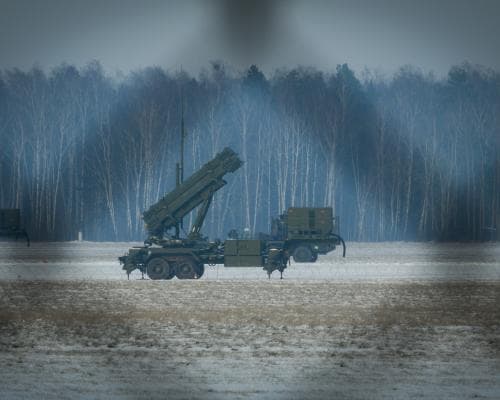
At Camp David, amid the rustic calm of a presidential retreat, Donald Trump delivered a masterclass in the new geopolitics of technology. Just days after hinting that Ukraine could build its own Patriot interceptors, he pulled the plug, calling the underlying tech 'a hard thing to give away.' It wasn't a policy shift; it was a confession. The most advanced defensive systems are no longer just weapons—they are intellectual property, and their transfer is a geopolitical bet that even the most transactional president in modern history isn't willing to make.
The retreat is a gut punch for Kyiv. For a year, Ukrainian officials have lobbied Washington for both more interceptors and the license to produce their own, arguing that domestic manufacturing would end the chronic shortage that leaves cities exposed to Russian missiles. Trump's own description—'They can suddenly turn on you'—exposed the core fear: once you give a nation the blueprints to a Mach 13 interceptor, you lose control. It's the same logic that keeps TSMC's most advanced fabs in Taiwan and ASML's EUV machines under export locks. Technology, not territory, is the new battleground.
But the real story isn't the politics; it's the physics. The Patriot interceptor travels at 8,600 miles per hour, and Trump's folksy aside—'If you go 60, it gets to be a little fast'—underscored the sheer engineering marvel. This isn't a consumer chip you can reverse-engineer in a garage. It requires a supply chain of rare earths, precision guidance, and hypersonic materials that few nations possess. Trump's point about 'building many plants' at home signals a strategic shift: America is choosing to become the world's arsenal, not its teacher. The 'bing bing bing bing' of five missiles downing threats over Jordan is a capability that Washington wants to keep proprietary.
For the defense-industrial complex, this is a boom. Lockheed Martin and RTX (formerly Raytheon) will see increased orders as the U.S. ramps up domestic production. But for Ukraine, the message is clear: innovate or die. Kyiv has already shown remarkable agility with its own drone warfare, from naval drones that sank Russian ships to long-range strike drones that hit targets deep inside Russia. The Patriot reversal will likely accelerate investment in Ukraine's own missile and interceptor programs, even if they start as lower-tech alternatives. The future of defense is no longer about buying off-the-shelf; it's about creating your own stack.
This decision also signals a broader trend: the weaponization of technology transfer. In the coming decade, nations will hoard their most advanced tech like nuclear secrets. The U.S. has already restricted AI chip exports to China; now it's doing the same for hypersonic defense. The question is whether this strategy backfires. By denying Ukraine the ability to build Patriots, Washington may push Kyiv into a more asymmetric, innovative approach—one that could ultimately make the U.S. less relevant. It's a classic innovation dilemma: protect the incumbency or fuel the disruptor.
Looking forward, the Camp David retreat is a defining moment. It tells us that the next great power struggle won't be over oil or even AI, but over the blueprints of defense. For Ukraine, the path is clear: build your own 'Patriot,' even if it's not called that. For the rest of the world, it's a warning—technology is the new sovereignty, and no one is giving it away for free. The 'bing bing bing bing' of American interceptor dominance will echo for decades, but the seeds of its challenger are already being planted in Kyiv's innovation labs.