The Unraveling of a Legacy: Rugby’s Brain Injury Crisis Hits the Courts
The Royal Courts of Justice on a July morning is a place of hushed gravity. Mahogany, wool, and the soft rustle of silk gowns. But this week, the air carried something heavier. A crisis. Not of property or portfolio, but of the body and the mind. Senior Master Cook, a man who has seen the full arc of British jurisprudence, found himself in what he called “uncharted territory.” No precedent. No map. Just a stack of 561 claimants—former rugby players, their families, their shattered futures—and a ruling that could strike out 95% of their cases. The sport’s governing bodies, World Rugby, the RFU, and the Welsh Rugby Union, pressed for dismissal. Not on the merits of the claims, but on a technicality: a solicitor’s failure to disclose neurological testing documents. The judge was clear: the fault lies not with the players, but with the man who was supposed to champion them. Richard Boardman of Rylands Garth, now stepping away, leaves behind a trail of missed deadlines and incomplete records. The claimants have voted unanimously to cut ties. They are hunting for new counsel. But the court calendar is unforgiving. Summer recess looms on 31 July. The clock is ticking.
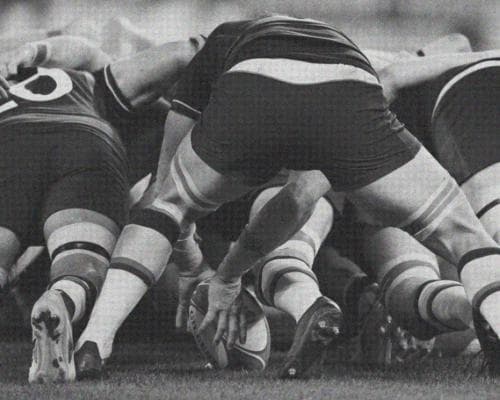
This is not a story about a single match or a star player. It is about the architecture of a sport that has, for generations, traded in a particular kind of heroism. Rugby is not football; it does not sell on glamour or global celebrity. It sells on grit, on mud, on the myth of the amateur gentleman who plays through pain. That myth is now under a microscope. The claimants are not faceless litigants. They are men who once packed scrum after scrum, who took hits to the head that felt like thunder, who were told to “walk it off.” Now they live with early-onset dementia, chronic traumatic encephalopathy, and the slow erasure of memory. The case, if it survives, would force rugby to reckon with its own physics: the collision of two bodies at speed, the brain rattling inside the skull, the long silence that follows a career. The defendants argue that the players knew the risks. But did they? Did anyone, really, before the science caught up?
The craftsmanship here is not of leather or stitching. It is of legal strategy—and it has been botched. Boardman’s firm was tasked with gathering every scrap of neurological evidence: MRI scans, cognitive assessments, medical histories. A meticulous job, the kind that requires the patience of a watchmaker. Instead, the court heard of “wholesale and widespread non-compliance.” The judge did not mince words. “No claimant in this case can be said in any way shape or form to be responsible for the deficiencies,” Cook said. The solicitors failed them. In the world of high-stakes litigation, this is the equivalent of a builder leaving a foundation half-poured. The case now hinges on whether the court will allow the claimants to start again with new representation—or whether the entire action will be struck out, sending hundreds of men back into the dark without recourse.
For collectors of rare things—fine art, vintage wine, limited-edition timepieces—there is a lesson here in provenance. A Rolex Daytona without its papers loses value. A painting without its certificate of authenticity becomes a question mark. These rugby players, too, have a provenance: their bodies, their careers, their medical records. Without proper documentation, their claims become fragile. The market for justice, it turns out, is as unforgiving as the market for a 1963 Ferrari 250 GTO. One missing file, one overlooked test, and the whole edifice wobbles. The defendants, with their deep pockets and institutional memory, know this. They pressed for strikeout with the precision of a surgeon. But the judge’s sympathy is palpable. He is not blind to the human cost.
What does this signal about luxury taste? Perhaps that the truest luxury is not a car or a château, but a life lived without the shadow of a forgotten injury. The ultra-wealthy collect homes in St. Moritz and cases of Château Margaux. They also collect peace of mind. This case is a reminder that the most precious asset is the one inside your skull. For the rugby players—many of them working-class men who played for the love of the game, not the paycheck—the cost of that love is now being tallied in court. The sport’s governing bodies, with their sponsorship deals and broadcast rights, are fighting to protect the game’s image. But the image is cracking. The question is whether the next generation of players will have the protection these men were denied.
The judge has retired to consider his judgment. Outside the court, the summer light falls on the Strand. The leaves are green, the tourists are snapping photos, and inside, a group of men wait to learn if their fight will continue. The answer will come not in weeks, but perhaps in days. If the cases are struck out, it will be a procedural death—a tragedy of paperwork. If they survive, it will be the beginning of a longer, more painful reckoning. Either way, the sport of rugby has entered a new era. The collision that defined it is now colliding with the law. And the only thing certain is that, like a fine watch that has stopped ticking, the silence is deafening.