The Calypso King Who Made the Beatles: Inside Lord Woodbine’s Quiet Philanthropy of Mentorship
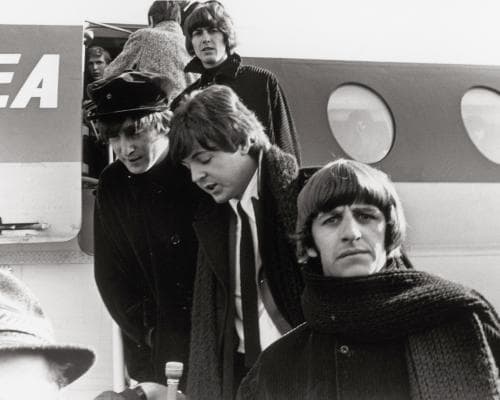
Before they were gods, they were kids. Four scruffy lads from Liverpool, barely out of their teens, stepping off a ferry into the neon chaos of Hamburg’s Reeperbahn in 1960. They had no polish, no stamina, no idea what they were doing. What they had was Lord Woodbine — a Trinidadian calypsonian with a flight engineer’s discipline and a mentor’s heart. He didn’t give them money. He gave them something rarer: a stage, a standard, and the belief that they could be great.
Harold Adolphus Phillips — Lord Woodbine — was no ordinary manager. Born in Trinidad, he served as a Royal Air Force flight engineer during World War II, then returned to the Caribbean before sailing back to England on the Empire Windrush. You’ve seen him in that famous footage: standing beside calypso legend Lord Kitchener, singing “London Is The Place For Me” at Tilbury Dock. While Kitchener headed to Manchester, Woodbine settled in Liverpool, where he became a musician, a club owner, and a quiet architect of the Merseybeat sound. By the time he met the Beatles, he already knew what it meant to carry a culture across an ocean.
This is where the philanthropy begins — not in a checkbook, but in a van. Woodbine, alongside manager Allan Williams, drove the Beatles to Hamburg and co-managed their early gigs. He didn’t just book shows; he taught them. As new BBC drama *Hamburg Days* reveals, Woodbine was the rare adult in their orbit who actually wrote his own songs — calypso originals that Lennon and McCartney respected. He pushed them to play eight-hour sets, seven nights a week, in front of rowdy sailors who’d throw bottles if you bored them. It was brutal. It was transformative. The Beatles entered Hamburg as amateurs; they left as a band.
The mechanics of Woodbine’s gift were simple and profound. He used his own connections in Hamburg’s club scene — built from his years as a touring calypso artist — to get the Beatles into the Indra and the Kaiserkeller. He negotiated their pay, handled their lodging, and kept the underage George Harrison from getting deported (for a while). He didn’t take a big cut; he took a role. It was mentorship as infrastructure: showing up, sharing your network, and refusing to let the kids fail. Jamie Carragher, the writer of *Hamburg Days*, calls Woodbine “the friend and partner of Allan Williams” — but he was more. He was the cultural bridge between Caribbean rhythm and rock ’n’ roll, between the Windrush generation and the British invasion.
The impact is staggering. Without Hamburg, there is no “Love Me Do.” No “A Hard Day’s Night.” No *Sgt. Pepper*. The Beatles themselves said it: Hamburg made them. And Woodbine was the man who opened that door. Yet for decades, his role was a footnote — a black calypso musician in a white rock narrative, quietly erased. The BBC drama is finally correcting that, but the deeper lesson is about the shape of giving. Woodbine’s philanthropy wasn’t about tax deductions or naming rights. It was about proximity, patience, and the radical act of treating young artists as equals.
What does this mean for the culture of giving today? It’s a reminder that the most powerful gifts are often invisible. Woodbine didn’t fund a scholarship or endow a chair. He gave time, trust, and a second language of music. In an era obsessed with billionaire pledges and splashy foundations, his story is a quiet rebellion: mentorship is philanthropy. It’s the calypso king who saw four white kids from Liverpool and thought, *I can make them stars* — and then did, without a single press release. That’s the kind of giving that changes the world, one eight-hour set at a time.