The Five Essentials for Sporting Obsession
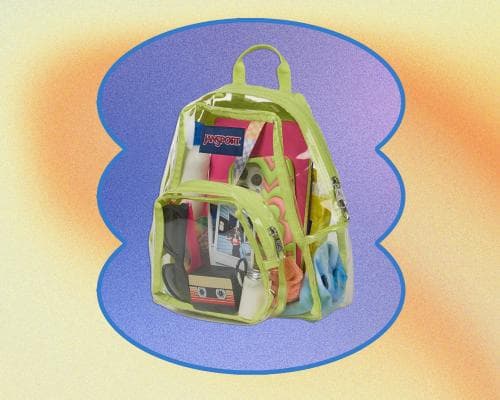
I once watched a man in a Savile Row blazer be turned away from Wimbledon because his leather-bound picnic hamper exceeded the permitted dimensions. He stood there, crestfallen, while a teenager with a nylon backpack sailed through. That moment crystallised something I’ve learned over 1,000-plus sporting events: the stadium is a stage, but the real performance is how you arrive.
I’ve covered World Cups, Olympics, and college scrimmages across four continents. And I’ve learned that what you carry—or leave behind—can transform a day of queuing and overpriced lager into something almost ceremonial. The rules vary wildly: FIFA’s stadium code runs 35 pages, while Yankee Stadium will confiscate a bouquet of flowers. The trick is not to fight the system but to work within its margins with elegance.
First: a transparent, collapsible water bottle. Hydration breaks have become a flashpoint at recent tournaments, with some venues banning sealed bottles entirely. The solution is a sleek, BPA-free vessel that folds flat when empty—think Vapur or a minimalist stainless-steel option. Fill it at a water station inside. You save $8 per drink and avoid the indignity of a stadium mark-up on tap water.
Second: a cashmere-blend stadium blanket. Not a fleece, not a puffer. A proper throw that doubles as a seat cushion and a shoulder wrap when the floodlights flick on. I own one from a Scottish mill that folds into a leather pouch. It has outlasted every team jersey I’ve ever bought.
Third: noise-cancelling earbuds. Not for the roar of the crowd—that’s the point—but for the moments between. The tram ride home, the half-time queue, the post-match analysis blaring from a nearby speaker. A pair of discreet, high-fidelity buds let you curate your own soundtrack. I use them to replay a goal in my head while the stadium empties.
Fourth: a single, unbreakable flask. Many venues allow empty containers; some permit sealed wine. At the All England Club, you can bring a bottle of Champagne. I carry a slim, vacuum-insulated flask from a Japanese maker. Fill it with a good Burgundy or a single malt. The ritual of pouring a quiet drink during a lull in play feels like a private rebellion against the beer-bucket culture.
Fifth: a leather-bound notebook and a fine-point pen. Not for stats—those are on your phone. For the observations that slip away: the way the light fell on the pitch at 6:17 PM, the joke the stranger next to you told, the name of the vendor who smiled. These are the souvenirs that outlast any foam finger.
The market for such items has quietly boomed. Small-batch leather goods makers in Florence now offer stadium-specific kits. A London haberdasher sells a “match-day satchel” with compartments for a flask, a blanket, and a programme. This is not about status. It is about control. When you cannot affect the score, you perfect the frame around it.
What this signals about luxury taste is a shift from ostentation to operational grace. The ultra-wealthy no longer want to be seen—they want to move unseen, with everything they need in a bag that costs more than most people’s rent but looks like nothing. The new status symbol is a seamless exit.
As the NFL, NBA, and college seasons loom, I find myself already packing for autumn. The blanket will be thicker, the whisky darker. I will check the venue rules the night before, as always. And I will arrive early, walk slowly, and enjoy the quiet before the noise. Because the best stadium essential is the one you never have to think about.