Reform UK’s £75,00 Flag Fiasco: When Civic Pride Meets Zero ROI
Imagine pitching a deal where the returns are supposed to be civic pride, the cost is zero to the investor, and the only risk is… well, that nobody actually wants to buy in. That is exactly what happened in Nottinghamshire, where a Reform UK-led council rolled out a £75,000 scheme to hang union flags on 180 lamp-posts across the county. The party’s promise? That local businesses would sponsor every single flag, covering fitting, upkeep, and maintenance—and even generate a profit. Seven months later, not one sponsor has stepped forward. The flags are up. The bill is real. And the taxpayer is left holding it.
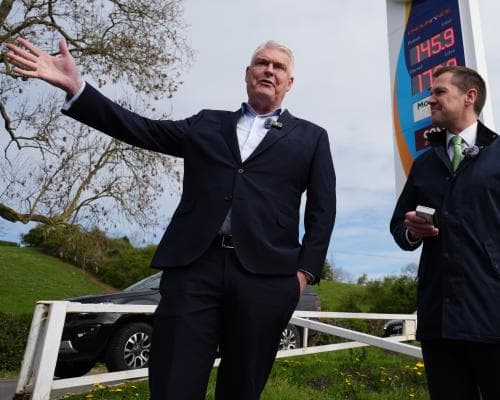
This is not a story about patriotism. It is a story about capital allocation—and the gap between political rhetoric and market reality. When Lee Anderson, the Reform MP for Ashfield, filmed himself alongside council leader Mick Barton last December, he was full of bravado. “It will not cost the taxpayer a single penny,” he said, because local businesses would line up to sponsor the flags. The math was simple: 180 flags, each one a tiny billboard for a local brand. But the market, it turns out, had other ideas. Zero sponsors. Zero revenue. Zero return on the £75,000 already spent.
For anyone who manages money, this is a textbook case of what happens when you confuse a political promise with a viable business model. The council’s own report justified the cost as a way to “enhance civic pride,” framing the union flag as a symbol of national unity. But in the cold light of a spreadsheet, civic pride does not pay the bills. Local business owners, already squeezed by inflation and rising costs, looked at the offer and decided that sponsoring a lamp-post flag was not worth the spend. The council bet on demand that simply did not exist.
Now, the numbers: £75,000 for 180 flags works out to roughly £417 per flag—a price that includes installation and ongoing maintenance. In the private sector, a similar outdoor advertising space might fetch anywhere from £50 to £200 per month, depending on footfall and location. But those are commercial rates for commercial products. A union flag, even one with a sponsor’s logo, carries a different set of expectations. It is not a billboard for a car dealership or a coffee shop. It is a symbol. And symbols, as any luxury brand manager will tell you, are tricky to monetize without diluting their meaning.
The real lesson here is about risk. The Reform UK council took a capital expenditure decision—spending taxpayer money upfront—based on a future revenue stream that was entirely speculative. They did not secure a single commitment from a business before the flags went up. In the world of wealth management, that is called taking an unhedged position. When the market moves against you, there is no safety net. The council is now left with a fixed cost, no income, and a PR headache. The flags may still flutter, but the financial wind has shifted.
What does this signal for the wealthy and for investors? It is a reminder that political narratives can be powerful, but they are not substitutes for due diligence. Whether you are backing a startup, buying a bond, or evaluating a municipal project, the question is always the same: who is actually paying, and why? In Nottinghamshire, the answer is clear: nobody wanted to pay. That is a data point worth remembering the next time a politician promises a free lunch—or a free flag.
Looking ahead, the council will have to decide whether to eat the £75,000 cost or double down with a new sponsorship drive. Either way, the episode is a small but telling case study in how capital—whether public or private—flows only where value is perceived. For the wealthy, it is a quiet reminder that the best investments are those where the demand is proven before the money is spent. Flags, like deals, are only worth what someone is willing to pay for them.
More in MONEY

Premier League Relegation Fire Sale: Why West Ham's Distress Is a Buying Opportunity for the Wealthy
Andy Burnham’s London Play: The Real Wealth Story Isn’t North vs. South — It’s a Housing Crisis Eating Capital Returns

The $200 Trillion Question: How Climate Risk is Rewriting the Rules of Capital Preservation