The Strait of Hormuz: Where the World’s Wealth Anchors—and Waits
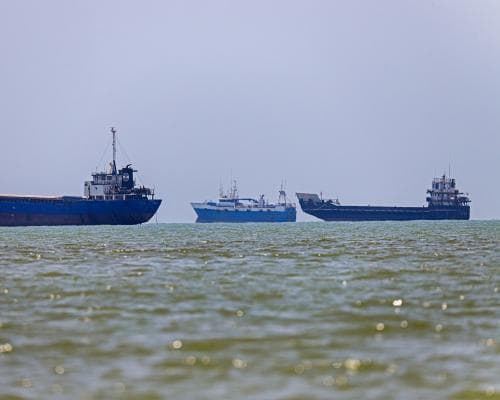
The water is the color of old silver, flat and watchful. On any given morning, a superyacht worth more than most countries’ GDPs might glide past a Very Large Crude Carrier hauling two million barrels of Iranian oil. The Strait of Hormuz is not a place you go for a holiday. It is a place you pass through—or, if you are very rich and very private, a place you anchor just outside, watching the world hold its breath.
Last Sunday, just six vessels crossed the strait. That is the lowest number in five weeks. Among those that did were tankers like the Humanity, a floating fortress of crude. Meanwhile, the US launched fresh strikes against Iran, and Brent crude jumped nearly five percent, to $79.59 a barrel. Asian markets tumbled. Chipmakers in Seoul and Tokyo lost billions. And somewhere in the Arabian Gulf, a yacht with a helipad and a submarine garage recalibrated its itinerary.
For the ultra-wealthy traveler, the Strait of Hormuz is not a hotel. There is no concierge, no infinity pool, no turndown service. But it is, right now, the most consequential stretch of water on earth. The kind of place where a private security briefing matters more than a spa menu. Where the question is not ‘What’s for dinner?’ but ‘How close are the IRGC patrol boats?’ This is the new frontier of extreme luxury travel: not escape, but proximity to power. The thrill of being near the fulcrum, watching the great game unfold from a deck chair.
The numbers tell a story of escalating rarity. Kpler, the data analytics firm, reports that transit through the strait has dropped sharply. Each vessel that does cross becomes a prize—or a pawn. For those with the means, chartering a yacht in nearby Dubai or Oman and cruising toward the strait’s mouth offers a front-row seat to history. The cost? A week on a 50-meter motor yacht starts around $250,000, not including fuel, security, and the discreet retainer for a former SAS officer who knows the currents. The price of being there when the world flinches.
This is what luxury travel signals now: not just access, but adjacency to the tectonic shifts of geopolitics. The old markers—Michelin stars, thread counts, private butlers—feel quaint next to the frisson of a region on edge. The wealthy have always sought the edge of the map. Today, the edge is a 21-mile-wide channel where a fifth of the world’s oil passes, where a single strike can erase a portfolio’s gains. To be there, to feel the thrum of a warship’s engines through the hull, is to understand that the ultimate luxury is not a suite but a vantage point.
Where do the wealthy go next? Not away from the strait—but toward it. Not to hide, but to hover. The new itineraries are being written in real time: a week in Muscat, a helicopter to a mothership anchored off Fujairah, a dinner on deck as the sun sets over the same waters where tankers dodge drones. The concierge at a certain Omani resort now fields more requests for ‘strategic charters’ than for desert safaris. The Strait of Hormuz is becoming the world’s most exclusive viewing platform—for those who can afford to watch, and wait.