The 600 Drones the FBI Just Confiscated Over the World Cup — And What It Says About the New Frontier of Security Markets
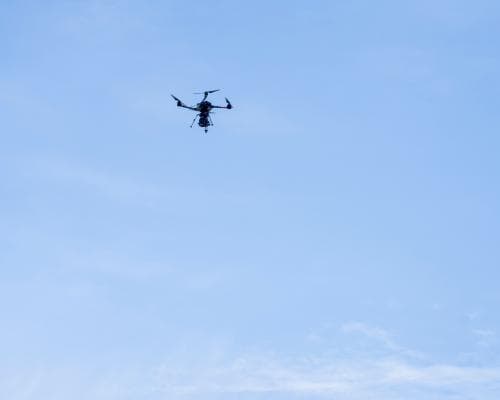
Imagine paying $75,000 for a drone that gets snatched out of the sky before you even get a good shot of Lionel Messi. That’s exactly what happened to more than 600 operators who flew their unmanned aerial vehicles over World Cup games in the U.S. since June. The FBI just announced it seized 99 drones in Miami alone, 77 in Atlanta, and 32 in Kansas City — across all 11 host cities. One guy even got arrested. This isn’t just a law enforcement story. It’s a money story.
Let’s talk scale. The FBI and the Department of Homeland Security deployed “advanced, specialized drone mitigation teams” to monitor, track, and intercept unauthorized UAVs near stadiums and watch parties. The numbers are staggering: 600 drones confiscated in a matter of weeks. Each violation can trigger civil fines up to $75,000, criminal fines up to $100,000, and up to a year in prison — plus the drone itself gets seized. That’s up to $105 million in potential fines just from this batch, not counting the hardware losses. For context, a high-end consumer drone like a DJI Mavic 3 costs around $2,000. A commercial-grade Matrice 300 runs $10,000-plus. The total value of seized drones likely exceeds $2 million.
But the real action is in the mechanics. The FBI keeps its interception methods close to the vest, but we know they use radio-frequency jamming, GPS spoofing, and even net-firing counter-drones. The agency said it deployed “advanced, specialized drone mitigation teams” — code for gear that can take over control of a rogue UAV or pinpoint the operator on the ground. This technology isn’t cheap. A single Dedrone or DroneShield counter-UAV system can cost $100,000 to $500,000 per unit. Multiply that across 11 cities, plus command centers and personnel, and you’re looking at a multi-million-dollar operational spend per event. The World Cup is a temporary operation, but the infrastructure is permanent.
Here’s the heritage angle: This is the largest drone-enforcement action in U.S. history. The FAA’s Temporary Flight Restrictions (TFRs) have been around for years, but the scale of the World Cup — with 48 teams, 104 matches, and millions of fans — forced a new level of response. The FBI’s warning was explicit: “Not only is flying drones in TFR zones illegal, it’s dangerous,” said Kansas City U.S. Attorney R. Matthew Price. His office is “keeping our skies drone-free.” That language is a direct signal to private capital: the government is serious, and the market for compliance and enforcement is exploding.
What does this mean for the wealthy and for markets? First, event security is a growth sector. The global counter-drone market was valued at roughly $1.5 billion in 2023 and is projected to hit $6.5 billion by 2030, according to industry reports. The World Cup seizures validate that spending. Second, insurance premiums for drone operators are about to spike — especially for commercial fleets used in real estate, agriculture, and film. If you’re a high-net-worth individual with a drone hobby or a portfolio of drone-related stocks (think AeroVironment, Kratos, or even Lockheed Martin’s counter-UAV division), this enforcement wave is a tailwind. Third, the data point to watch is the fine-to-seizure ratio: the FBI is confiscating first and asking questions later. That changes the risk calculus for anyone flying near restricted assets — not just stadiums, but private estates, corporate campuses, and critical infrastructure.
Looking forward, this is a preview of a world where airspace is as regulated as cyberspace. The wealthy already deploy private security for their homes and yachts. Soon, they’ll need drone-detection systems too. Companies like Dedrone, which sells rooftop sensors that alert you when a drone enters your airspace, are seeing double-digit revenue growth. The FBI’s 600-drone haul is a canary in the coal mine — or rather, a drone in the net. For investors and family offices, the message is clear: the security-industrial complex is going vertical. Literally.