The Anaheim Apartment That Hid a Digital Nightmare
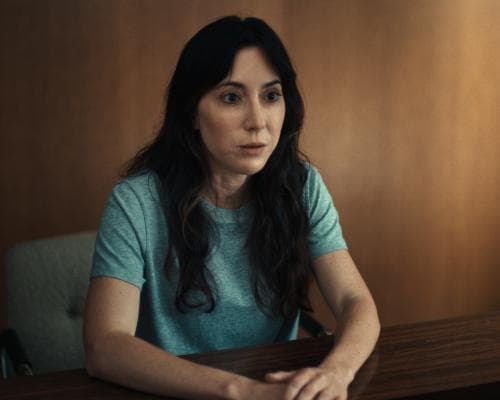
The condo at 2100 East Ball Road in Anaheim, California, is not the sort of address that makes it into the pages of a lifestyle publication. It is a modest two-bedroom unit in a beige stucco complex, the kind that dots the suburban sprawl between Disneyland and the Santa Ana Freeway. But for a few months in 2014, that unremarkable apartment became the epicenter of a psychological horror story so baroque, so meticulously orchestrated, that it would take an 88-minute documentary to do it justice. A Toxic Love Story, now streaming on Netflix, is that film — and it is a bracing reminder that the most unsettling territories are not the private islands or alpine chalets we covet, but the spaces we assume are safe.
The story begins with Ian Diaz, a deputy U.S. marshal, and his new partner, Angela Connell, who moved into his apartment after a whirlwind romance. She was soon pregnant with twins. Then the emails started. “You have stolen my life … Good luck getting back to the condo,” read one. Others were worse: images of decapitated bodies, aborted fetuses, and threats to steal the unborn child. The stalker called herself Lilithistruth. The messages grew more sophisticated, more intimate. They knew the couple’s routines, their fears, the exact layout of the apartment. For any collector of fine objects or secure spaces, this is the ultimate violation: the realization that your sanctuary has been infiltrated by a ghost with a keyboard.
The documentary’s genius lies in its refusal to sensationalize. Director Liza Williams lets the evidence speak — the digital trail, the forensic analysis, the slow unraveling of a plot that involved Craigslist rape fantasies, a fake persona, and a physical attack on Angela. The craftsmanship here is in the editing: jump cuts that mimic the jarring rhythm of a stalker’s messages, sound design that amplifies the silence of a locked door. It is a film that understands that true luxury is not a Hermès bag or a first-class seat, but the unspoken assumption that you will not be hunted in your own home.
For the ultra-wealthy, privacy is the ultimate commodity. Gated communities, private security, encrypted communication — these are line items on a monthly budget. But the Anaheim case reveals a more insidious truth: the digital footprints we leave are the new open windows. The stalker, it turned out, was not a stranger but Ian’s former fiancée — a woman who had once shared his passwords, his Wi-Fi network, his life. She had used that intimate knowledge to construct a labyrinth of lies. The documentary does not name her (she is referred to only as “Jane” in court records), but the implication is clear: the most dangerous stalker is often the one who once held your keys.
What does this say about luxury taste in the age of surveillance? That the true connoisseur invests not in a watch collection but in a digital hygiene protocol. A Toxic Love Story is not a film you watch for escapism; it is a film you watch to recalibrate your paranoia. It is the kind of story that makes you reconsider the smart lock on your front door, the Nest camera in the nursery, the shared calendar with your nanny. The documentary’s climax — the arrest, the trial, the revelation of the stalker’s identity — is less a catharsis than a warning. The condo on East Ball Road still stands. But for anyone who watches this film, it will forever be haunted.
In the end, the most compelling luxury travel is not to a distant resort but into the minds of those who understand that the real frontier is digital security. A Toxic Love Story is a travelogue of that frontier — a place where the price of admission is your attention, and the souvenir is a lingering unease. It is a must-watch for anyone who believes that the most valuable asset is not a painting or a property, but the quiet certainty that you are safe. And that, dear reader, is a feeling no amount of money can buy.