Inside the Peloton: How the Ultra-Wealthy Are Chasing the Tour de France from the Road
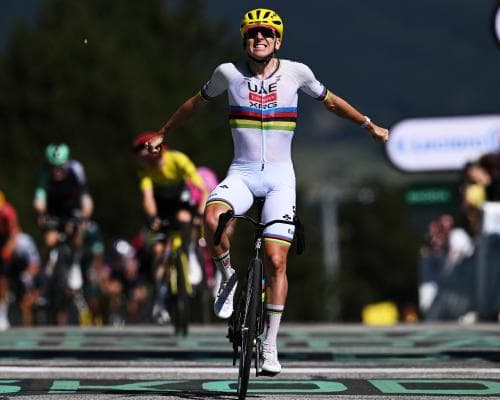
The helicopter hovers just above the treeline, its rotors slicing the cool morning air of the Ariège foothills. Below, a single rider in yellow separates from the pack, his cadence impossibly smooth, his breathing barely audible through the crackle of the team radio. Tadej Pogačar has just done what he does best: made the impossible look inevitable. For the ultra-wealthy traveler watching from a private villa perched above the Col de la Core, this is not a sporting event. It is a living diorama, a moving feast of human drama set against the most spectacular backdrop in Europe.
This is the new frontier of luxury travel: the Tour de France not as a race to be watched on television, but as a journey to be lived alongside the peloton. The wealthiest spectators no longer book grandstand seats or VIP hospitality tents. They rent entire châteaux in the Pyrenees, charter helicopters to follow the race from above, and commission private chefs to prepare picnics at mountain passes where the only other guests are the sound of cowbells and the distant hum of the caravan. The destination is not a single place; it is the race itself, a 3,500-kilometer moving city that changes its address every day.
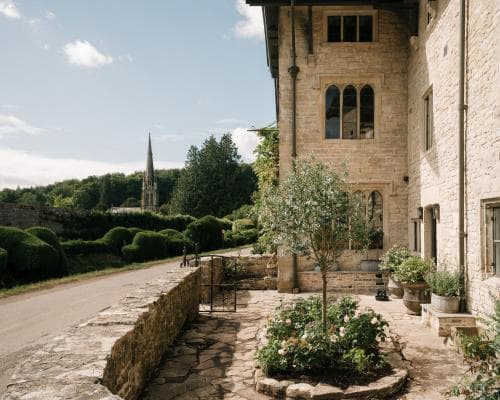
Consider the logistics of following the Tour at this level. A typical week might involve a base in a restored 18th-century manor outside Carcassonne, with a fleet of SUVs and a dedicated logistics team to shuttle guests between viewing points. The morning begins with a briefing from a former professional rider, who deciphers the day's stage profile over espresso and pain au chocolat. Then the helicopter lifts off, tracking the breakaway from above, landing at the most photogenic climb of the day just minutes before the leaders arrive. There is no jostling for position, no crowded roadside. Just a table set with linen and crystal, a bottle of Burgundy breathing, and the finest athletes in the world passing within arm's reach.
What makes this experience truly rare is the access. The ultra-wealthy do not just watch the race; they enter its ecosystem. A carefully curated connection can secure a visit to the UAE Team Emirates bus, where Pogačar's mechanics fine-tune his bike between stages. A private dinner with a directeur sportif in a mountain village restaurant, where the talk turns to wattage and wind direction. Even a ride on the closed roads the morning before the stage, on a carbon-fiber bike that costs more than a small car, with a retired champion as your guide. This is not armchair tourism; it is immersion in a world that most people only glimpse on a screen.
The price of such a journey is, naturally, commensurate with its exclusivity. A bespoke week-long Tour de France experience, including helicopter transfers, a private chateau, a chef, and a former pro guide, starts at around €150,000 for a party of four. For those who want to follow the entire three-week race, the figure can exceed half a million euros. Yet for the clientele that books these trips, the cost is secondary to the currency of memory. They are not buying a vacation; they are buying a story that no one else can tell.
What does this tell us about the direction of luxury travel? It signals a shift away from static destinations toward dynamic, event-driven journeys. The wealthy no longer want to sit still. They want to move with the action, to be part of something unfolding in real time. The Tour de France, with its daily drama and ever-changing landscape, is the perfect vehicle. It combines the thrill of sport with the romance of the road, the intimacy of a private villa with the spectacle of a global event. It is, in essence, the ultimate luxury: the feeling that you are at the center of the world, even as the world rushes past.
So where do the wealthy go next? They follow the yellow jersey. Next year, the Tour starts in Barcelona, with a stage that climbs Montjuïc before heading into the Pyrenees. The châteaux of the Catalan countryside are already being booked. The helicopters are being serviced. The private sommeliers are selecting cases of Priorat. Because for those who can afford it, the Tour de France is not just a race. It is the only moving party that matters, and the invitation is always worth the price of admission.