The Billionaire’s Runway: Apollo’s £5.7bn Play for easyJet’s Fleet and Future
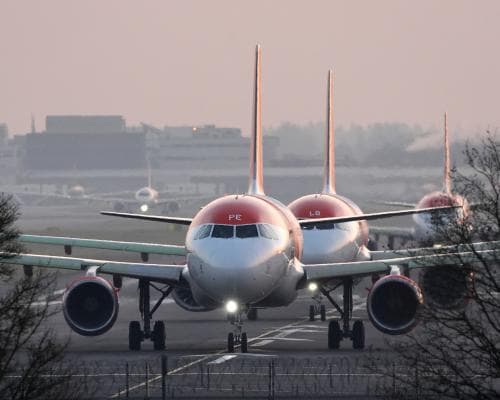
The morning bell rang with a jolt. Shares in easyJet popped 13% on news that Apollo, the US private equity titan, had gatecrashed the party with a £5.7bn takeover offer. For those who track the movements of capital like others track the tides, this was a signal. Not of turbulence, but of a calculated landing. Apollo sees something in the orange-and-white livery that the casual observer might miss: a low-cost carrier with the bones of a long-haul champion, waiting for the right investor to fuel its ascent.
At the heart of the deal is easyJet’s quiet ambition to modernize its fleet. Upgrading to newer, more efficient planes is an expensive task—one that Apollo believes can be accelerated with fresh capital and the longer-term strategic planning afforded to private companies. This is the kind of move that appeals to collectors of rare assets: a business that, like a vintage Porsche 911, needs a careful restoration to unlock its true value. The offer is now the preferred option, with easyJet’s management recommending it to shareholders. But the runway isn’t clear yet. Apollo has until 7 August to decide whether to make a formal bid, and rival bidder Castlelake could still return with improved terms. The game is afoot.
For the ultra-wealthy, this deal is a masterclass in the art of the patient wager. Apollo’s interest isn’t in the budget fare battles of the moment—it’s in the long-term potential of a brand that carries 80 million passengers a year. Fleet upgrades, as any aviation enthusiast knows, are the difference between a rattling metal tube and a whisper-quiet cabin. New planes mean lower fuel costs, fewer delays, and a smoother experience. In the world of private jets, that’s table stakes. In the world of commercial aviation, it’s a competitive moat. Apollo is betting that easyJet can become the quiet luxury of air travel: reliable, efficient, and quietly superior.
The market context is equally intriguing. This isn’t a fire sale; it’s a strategic courtship. Shares popped 13% on the news, and analysts are watching the clock. Aarin Chiekrie of Hargreaves Lansdown notes that Castlelake could still come back with a higher bid. For the collector who buys art at auction, this is the familiar tension of the bidding war. The difference is the stakes: £5.7bn for a fleet of planes, a network of routes, and the promise of a future where low-cost doesn’t mean low-ambition.
What does this say about luxury taste? It says that the most discerning investors now look beyond the obvious. They see value in the mundane made excellent—in the efficiency of a well-run operation, in the quiet power of scale. This is the same sensibility that drives a connoisseur to buy a rare bottle of Bordeaux not for the label, but for the terroir. Apollo’s bid is a recognition that easyJet’s terroir—its brand, its routes, its fleet—is worth cultivating.
As the August deadline approaches, the story is far from over. Whether Apollo lands the deal or Castlelake swoops in, one thing is clear: the ultra-wealthy are betting on the future of flight, and they’re doing it with the patience of a collector, not the haste of a speculator. In a world of noise, that’s the quietest signal of all.