The Billion-Dollar Bet on Britain’s Water: Inside the Battle for Thames Water
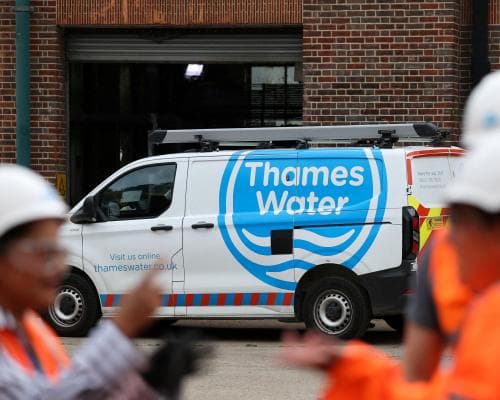
Imagine owning the most essential asset in London—the water that flows through every penthouse, every Michelin-starred kitchen, every marble bathroom in Mayfair. That’s exactly what a quiet, powerful group of investors is trying to do. But they’re not just buying a utility. They’re buying a crisis. And they’re betting that they can turn it into a legacy.
The fight for Thames Water is the most fascinating boardroom drama in Britain right now. The consortium, calling itself London & Valley Water (L&VW), represents roughly 100 institutional investors who hold a staggering £17 billion of the company’s £21 billion debt. That’s not pocket change—that’s sovereign-wealth-level firepower. Names like Apollo Global Management, Elliott Management, Farallon Capital, and Silver Point Capital are in the room. These are the kind of firms that don’t buy distressed assets by accident. They buy them because they see a path to control, profit, and prestige.
But there’s a twist. The incoming prime minister, Andy Burnham, is talking about nationalisation. Temporary public ownership. A special administration regime, or SAR, as the lawyers call it. That would put the taxpayer on the hook for an estimated £2 billion just to keep the lights—or rather, the taps—on. Burnham’s camp says if the public pays, the public should control. Fair enough. But the consortium isn’t backing down. They’ve hired two heavyweight law firms: Pallas Partners for litigation, Akin Gump for restructuring. They’re not suing yet. But they’re ready. As one insider put it, “They want, and need, to be ready.”
This is where craftsmanship meets high finance. Thames Water isn’t a tech startup or a luxury hotel chain. It’s a 19th-century infrastructure beast—leaky pipes, Victorian tunnels, and a monopoly on the most vital resource on earth. The consortium’s leader, Mike McTighe, is a corporate troubleshooter who knows how to rebuild a boardroom from the ground up. He’s proposed a £10 billion rescue deal that would give the consortium effective control—if the government allows it. The deal isn’t just about money. It’s about trust. McTighe says he wants to “work constructively” with Burnham. He’s even offered “enhanced public control” of operations. That’s a velvet-glove move: keep the asset, share the optics.
For the ultra-wealthy, this is a masterclass in how to play the long game. Water is the ultimate uncorrelated asset. It doesn’t crash with the stock market. It doesn’t go out of style. And in a world where climate change is making fresh water scarcer by the year, owning a water company is like owning a gold mine with a guaranteed buyer. The consortium isn’t just buying debt—it’s buying leverage over the future of London. Every new development, every luxury tower going up in the city, needs Thames Water to say yes. That’s power you can’t buy on the open market.
What does this signal about wealth and taste? It signals that the smartest money is moving away from flash and toward function. A vintage Ferrari is beautiful. A private jet is convenient. But a water company? That’s permanent. It’s the kind of asset that doesn’t need a hype cycle. It needs patience, legal strategy, and a willingness to get your hands dirty in the mud of regulation. The consortium is playing chess while everyone else is playing checkers.
Looking forward, the outcome will set a precedent. If Burnham nationalises, it will be the first time a major UK utility has been pulled back into public hands in decades. That would send a chill through every infrastructure investor in the world. But if the consortium wins—if they can keep Thames Water private, restructure its debt, and start fixing those Victorian pipes—they will have pulled off one of the great financial turnarounds of the century. Either way, the water in your glass tomorrow morning will have a story behind it. And it’s a story worth billions.
The Experience
For those who want to understand how elite investors navigate infrastructure assets, consider a private briefing with a specialist wealth advisor who structures utility and water rights portfolios for ultra-high-net-worth families.