The $90 Barrel: Why the World’s Diesel Squeeze Is a Status Signal for Those Who Can Afford to Ignore It
Here’s a number that should make any private-jet owner pause mid-sip: $91.41. That’s where Brent crude touched last week, its highest since June, as the ninth consecutive night of US strikes against Iran lit up the Gulf. But the real story isn’t the headline price of oil. It’s what’s hiding in the refinery tanks of Europe.
Morgan Stanley’s analysts, including Martijn Rats, put it bluntly in a recent note: “The picture is genuinely tight.” They’re talking about diesel—the lifeblood of everything from superyacht generators to the trucks that deliver your case of Pétrus. Their models show European diesel inventories sliding to multi-year lows by November, hitting around 299 million barrels. That’s the lowest for that time of year since at least 2015. The bottleneck isn’t crude coming out of the ground; it’s the refineries that turn it into what actually moves the world. And right now, those refineries are the weak link.
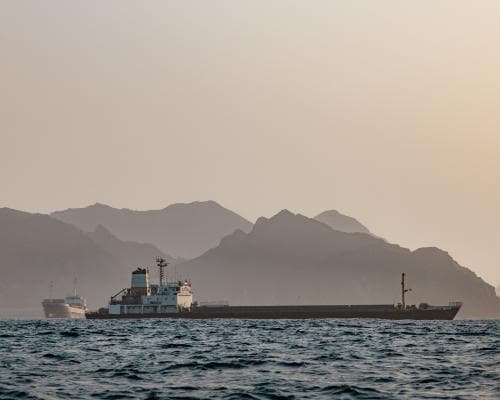
This isn’t just a commodity story. It’s a story about who can insulate themselves from the chaos. The conflict in the Middle East has escalated far beyond the usual tit-for-tat. Three US service members were killed in separate incidents in Jordan and Iraq. Iran broadened its retaliation, hitting power and desalination plants in Kuwait, and launching drone and missile attacks toward US bases. The Strait of Hormuz—that narrow chokepoint through which a fifth of the world’s oil passes—is now a live wire. Iran has signaled a far more assertive stance on shipping, claiming to have intercepted vessels attempting to transit. A ship caught fire off the coast of Oman; the IRGC later claimed two oil tankers. Diplomatic prospects? Dim. Iran’s foreign minister suggested some nuclear issues “may remain unresolvable.”
For the ultra-wealthy, this is not a call to panic. It’s a call to recalibrate. When diesel inventories tighten, the cost of shipping everything—from the marble for your new Gstaad chalet to the fuel for your helicopter—rises. But here’s the quiet truth: the people who read this magazine don’t feel the pinch the way the rest of the world does. You have options. You have relationships. You have the ability to lock in supply contracts, to pre-position fuel, to own assets that don’t depend on a fragile grid. That’s the real luxury: not just having money, but having the infrastructure to make that money work when the system groans.
This moment also signals a deeper shift in taste and status. For decades, the mark of wealth was visible consumption—the car, the watch, the house on the water. The new marker is resilience. It’s owning a private fuel reserve. It’s having a home that runs on solar and battery backup, not just for virtue signaling but for actual independence. It’s knowing that when the Strait of Hormuz tightens, your supply chain doesn’t snap. The diesel squeeze is a reminder that the ultimate luxury is control over your own energy.
Looking ahead, expect the smartest money to move toward energy self-sufficiency. Not just for the bragging rights, but for the quiet confidence that comes from being untouchable. The world is getting more volatile, not less. The price of oil will yo-yo, the headlines will scream, and the inventories will dip. But for those who have already hedged—with fuel storage, with dual-fuel generators, with relationships that bypass the spot market—this is just another Tuesday. The rest? They’ll be watching the ticker, hoping the next round of strikes doesn’t land on their doorstep.
The Experience
To navigate this volatile market with confidence, consider a private consultation with our energy-security partners—experts who can design a bespoke fuel-supply and backup-power strategy for your estate, yacht, or fleet.