The 2030 Power Paradox: Why Britain’s Green Revolution Still Costs a Fortune
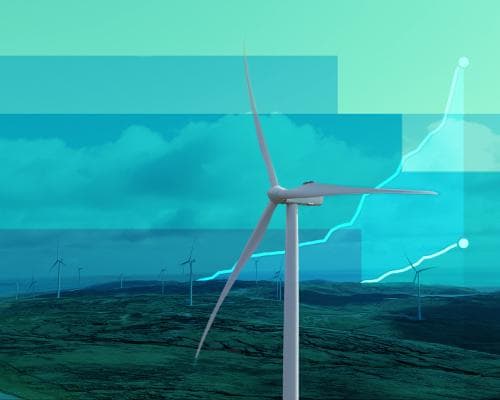
Imagine ordering a bespoke Hermès Birkin and being told it will arrive in a decade—if the cow is born, the leather tanned, and the atelier clears its queue. That, in essence, is the story of Britain’s green energy revolution. Labour has promised a virtually zero-carbon electricity system by 2030—a manifesto commitment that sounds like a gleaming, boardroom-ready promise. But the gap between approval and operation is where fortunes are lost and bills stay stubbornly high.
Let’s start with the numbers that matter. In Labour’s first two years, it approved renewable projects at double the rate of the previous Conservative administration. That’s impressive—like a private equity firm doubling its deal flow. But here’s the rub: approval is not power. The government’s own energy system operator, Neso, admitted the 2030 target is “at the outer limit of what’s achievable.” Analysts at Cornwall Insight warn that hitting it would require “near flawless delivery” of the most complex infrastructure projects the UK has ever undertaken. Real-world risks—supply chains, planning disputes, grid connections—are the uninvited guests at this exclusive party.
The craftsmanship angle is where it gets fascinating. Britain’s grid was built for a fossil-fuel era—centralized, predictable, and slow. Renewables are the opposite: distributed, intermittent, and fast-moving. To connect a new wind farm today, you used to wait in a “first come, first served” queue that stretched a decade. Neso has now cleared out hundreds of “zombie” projects—those without proper financing or planning permissions—to make way for viable schemes. Since January, 700 wind, solar, hydro, and battery projects have been offered a connection date before 2030. That’s more than half of what’s needed. But speed has a price: the grid itself is aging, and upgrading it is like renovating a Georgian townhouse while living in it.
Price is the elephant in the boardroom. Gas still made up nearly 27% of Britain’s electricity last year. When the wind doesn’t blow and the sun doesn’t shine, gas plants fire up to balance demand. That’s expensive—and it keeps household bills high. The dream of cheap, abundant green power is real, but it’s currently a luxury reserved for those who can afford to wait. Research from LCP Delta suggests Britain’s clean electricity will meet only 83% of demand by 2030 under current progress, pushing the 95% target to 2035. For the ultra-wealthy, this is a reminder that even the most ambitious projects face the same friction as any fine watch: the difference between a blueprint and a ticking movement is time, patience, and capital.
What does this signal about taste and the luxury market? For decades, status was about consumption—owning the fastest car, the largest yacht. Today, the truly discerning are investing in systems that work. A private jet owner might scoff at a 2030 energy target, but they also know that a stable grid powers their smart home, their electric hypercar, their private island’s desalination plant. The green revolution isn’t just an environmental play; it’s a wealth-preservation strategy. Those who understand infrastructure—who see the beauty in a well-laid cable or a perfectly timed battery discharge—are the ones who will own the future.
Looking ahead, the race is real. Labour has lifted the onshore wind ban, reformed the grid queue, and doubled approvals. But the next prime minister—whoever that is—must move faster. The reactionary right is threatening a fossil-fuel push if it wins power. For the reader of this magazine, the takeaway is simple: the energy transition is the ultimate long-term asset. It’s not about being first; it’s about being right. And right now, Britain is building a masterpiece—but it’s still in the workshop.
The Experience
Secure your place in Britain’s energy future by investing in a private grid-connection consultancy or a portfolio of pre-approved renewable projects. Contact our concierge for an exclusive briefing.