The $9 Bun: How Japanese Milk Bread Became the Ultimate Status Carb
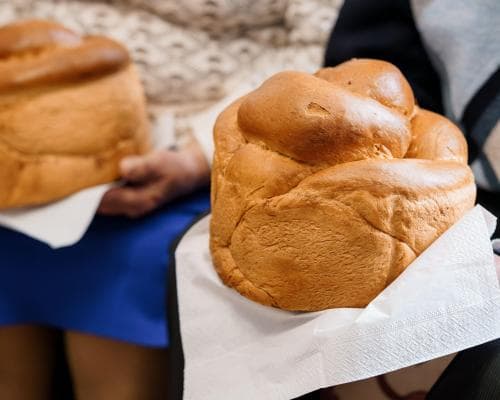
There is a moment, just before the fork descends, when the world’s most discerning palates pause. Not for a truffle shaving or a vintage pour, but for a single, unassuming bun. Golden brown, glistening with a sheen of cultured butter, it yields with a whisper of resistance before tearing into a cloud-like interior that seems to defy the very laws of bread. This is the Japanese milk bun—shokupan’s glamorous, viral offspring—and it has just become the most coveted carb in the world’s most exclusive circles.
The numbers are staggering, even by luxury standards. Waitrose, the upscale British grocer that knows its clientele’s cravings better than most, reports a 617% surge in searches for “Japanese milk buns” over the past month alone, with sales up 27% in the same period. This is not a trend; it is a tectonic shift in the culinary landscape. The same clientele that once queued for a limited-edition Birkin or a Patek Philippe now finds itself refreshing an online basket for a six-pack of these pillowy rolls. The catalyst? A viral TikTok video that has amassed millions of views, each one a soft-focus seduction scene of butter and gluten. But as any connoisseur knows, the fad is merely the gateway; the substance is what keeps the faithful returning.
The craft is deceptively simple, yet the result is anything but. The magic lies in a tangzhong—a cooked flour-and-water paste that yields an almost impossibly tender crumb and a shelf life that mocks its French cousin, brioche. Where brioche leans into butter’s excess, milk bread is a study in restraint: less butter, more finesse, a finer crumb that whispers rather than shouts. It’s this quiet luxury that has captured the imagination of chefs like Tomás Gormley, whose Scottish fine-dining restaurant Cardinal opened with milk buns on the menu and has never looked back. “My first pastry chef, Mia, developed an incredible recipe that we still use today,” he says. “We switch to sourdough every now and then to keep things interesting, but always seem to end up back at the milk buns.” For Gormley, the appeal is as much logistical as gastronomic: a bread that can be “bashed out in a couple of hours” offers a flexibility that slow-fermented sourdoughs cannot match, and its lower butter content keeps both costs and diners’ appetites in perfect balance.
But the bun’s ascent is not merely a kitchen story. It is a signal of a broader cultural shift in how the world’s wealthy define indulgence. For decades, luxury was loud—gold leaf, caviar, and champagne towers. Today, it is soft, subtle, and deeply personal. The milk bun, with its unassuming exterior and its almost ethereal interior, is the edible equivalent of a quiet-luxury cashmere sweater: unmarked, unlogoed, yet unmistakably superior. It is the reason London’s cult burger joints, like Black Bear Burger, have built loyal followings by swapping brioche for milk buns, and why Chinatown’s Bun House has patrons queuing around the block for its Cantonese-style baked versions. Even the fruit sando—a delicate confection of fresh fruit and cream nestled between milk-bread slices—has become a symbol of status, its Instagram-ready cross-section more coveted than any designer handbag.
This is not a passing fad; it is a declaration of taste. As Michael Booth, the author of Sushi and Beyond, notes, Japan’s culinary influence has long been a bellwether for the global elite. From deep-fried sandwiches to soufflé pancakes, the archipelago’s food culture has consistently set the pace for what the world’s most sophisticated diners crave. The milk bun is the latest in this lineage, a testament to the Japanese genius for perfecting the familiar into something transcendent. And for those who can afford the finest things in life, there is a particular pleasure in knowing that the latest obsession can be had for less than a tenner—yet feels worth ten times that.
Looking ahead, the milk bun’s reign shows no signs of cooling. As more luxury restaurants and home bakers alike experiment with its possibilities—from savory fillings to dessert hybrids—the bun is poised to become a permanent fixture in the pantheon of premium comfort foods. For the ultra-wealthy, it offers a rare opportunity: a taste of exclusivity that is both accessible and aspirational. So the next time you find yourself in a queue, whether at a London burger joint or a Tokyo fruit-sando counter, remember: you are not just buying bread. You are buying into a philosophy—one that values softness over crunch, subtlety over spectacle, and the quiet art of doing one thing perfectly. And in a world of excess, that is the ultimate luxury.
The Experience
For a taste of this trend, book a table at London’s Bun House or Black Bear Burger, or try your hand at a Japanese milk-bread baking class at a top culinary atelier.