The Fall and Future of Nordic Gastronomy: What Noma’s Legacy Means for the World’s Most Discerning Palates
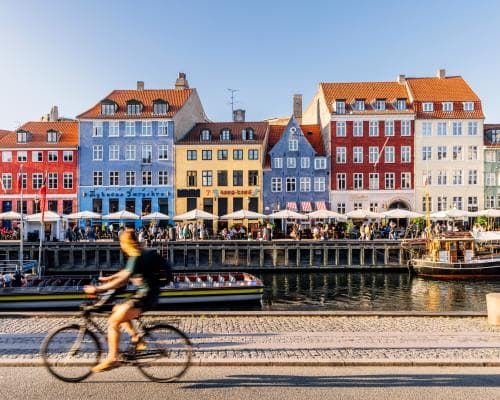
For the global elite who measure status not by the weight of a watch but by the rarity of what lands on their plate, Copenhagen has long been the undisputed capital of culinary pilgrimage. It is a city where a single strawberry, picked in its fleeting micro-season, commands more reverence than a bottle of Petrus. To dine there is to participate in a quiet revolution—one that elevated foraging, fermentation, and hyper-local sourcing from rustic curiosity to the apex of luxury. But as the temple of this movement faces its most turbulent chapter, the question percolating through private dining rooms from Mayfair to Macau is not whether the philosophy endures, but who will carry its torch without repeating its sins.
The epicenter of this gastronomic earthquake is Noma, the three-Michelin-starred restaurant that, since its 2003 debut in a former warehouse in Christianshavn, has been the crucible of the New Nordic Kitchen. Co-founders René Redzepi and Claus Meyer harnessed Denmark’s unique climatic diversity—where cabbage, kale, apples, and rye appear in week-long micro-seasons—to craft a manifesto that rejected the Mediterranean bias of fine dining. Their 2004 symposium, an 18-hour workshop that birthed the New Nordic Kitchen manifesto, vowed to express “purity, freshness, simplicity and ethics” through ingredients whose characteristics are “particularly excellent in our climates.” The result? Copenhagen now hoards 30 Michelin stars, and the city’s food scene has become a benchmark for the ultra-wealthy seeking authenticity over opulence.
Yet the machinery of this culinary empire has a shadow. Redzepi acknowledged as early as 2015 that he had been a bully who “yelled and pushed people,” and in March of this year, he resigned amid allegations of physical and verbal abuse. The irony is exquisite: a restaurant that built its brand on progressive, sustainable ethics became the stage for a culture of pressure that contradicts the very purity it championed. For the luxury market, where provenance and integrity are as valuable as the ingredients themselves, this dissonance is a cautionary tale. It reminds us that craftsmanship—whether in a kitchen or a atelier—cannot be divorced from the human conditions that produce it.
What Noma perfected, however, remains indelible. It normalized the idea that the most exclusive dining experience is not about imported truffles or caviar, but about a foraged mushroom that appears for three days in a Danish forest. It turned seasonal eating into a science, proving that a diet built on Nordic rye, berries, and root vegetables rivals the Mediterranean in health benefits while being superior for the planet. This philosophy has rippled outward: chefs from Tokyo to New York now speak in the language of “ingredient-led storytelling,” and the world’s wealthiest diners now expect their meals to double as a TED Talk on terroir. The price of a seat at such a table—often $500 or more per person, booked months in advance—is a signal not just of wealth, but of cultural literacy.
Looking forward, the luxury gastronomy landscape will bifurcate. On one side, the hyper-seasonal, foraging-driven model that Noma perfected will continue to thrive, but under new leadership that prioritizes accountability alongside innovation. On the other, a new generation of chefs will emerge who embrace the manifesto’s principles without replicating its toxic underpinnings. For the ultra-wealthy, the next status symbol will not be a reservation at Noma, but a private dinner curated by a chef who sources ingredients from a single micro-season in a single Danish fjord. The lesson from Copenhagen’s fall is that true exclusivity is not just about what you eat, but how it is grown, who grows it, and the integrity of the journey from soil to plate.
The city’s food scene, meanwhile, will not collapse. Its 30 Michelin stars, its commitment to organic produce, and its culture of micro-seasonal eating are now embedded in the Danish identity. But the era of the celebrity chef as untouchable genius is over. For those who can afford it, the next great culinary experience will be one that marries the rigor of the New Nordic Kitchen with a new code of conduct—one where the pursuit of perfection does not come at the cost of humanity.
The Experience
To experience the next wave of Nordic gastronomy, arrange a private, multi-day foraging and dining itinerary through a luxury travel concierge that specializes in bespoke culinary access—expect to pay upwards of $15,000 for a curated, chef-led journey through Denmark’s micro-seasons.