The New Gold Standard: Why America's AI Fortress Is Redrawing the Map of Power
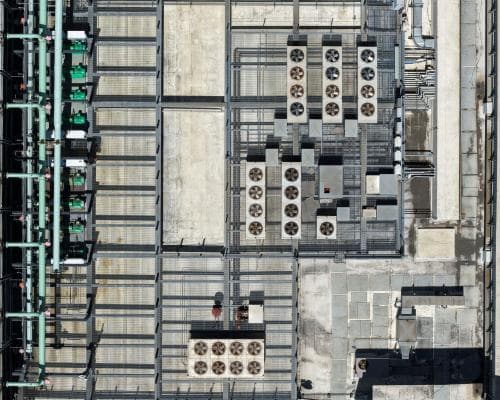
In the rarefied circles where fortunes are measured in data centers rather than square footage, a quiet tremor is running through the market. The Trump administration is reportedly drafting a ban on US imports of new Chinese optical transceivers—the tiny, laser-driven components that move data at the speed of light through the arteries of the digital economy. For the ultra-wealthy, this is not a policy footnote. It is a seismic shift in the architecture of global power, a reminder that the most coveted asset of our era is not a penthouse or a yacht, but the invisible infrastructure that powers artificial intelligence.
Consider the stakes. The FCC, the agency that polices America's airwaves, is preparing to bar these components from entering the country, according to four sources familiar with the deliberations. The measure could land as early as this year, though it may still be modified or shelved. The target: a Chinese industry that controls a majority of the world's optical transceiver market. These are the components that allow data to travel within datacenters—the same datacenters that US tech giants have pledged trillions of dollars to build. And yet, for all that capital, the buildout is falling behind schedule, while China races ahead with its own massive infrastructure. The optics are stark: the world's richest companies are betting on a future that depends on components made by a geopolitical rival.
This is where the story gets personal for anyone with serious capital at stake. The ban is not just about trade deficits or tariffs; it is about trust. Chinese components, experts warn, could be embedded with the ability to steal data, install malware, or disrupt service at will. Imagine the horror of a family office discovering that its private AI models—the crown jewels of its investment strategy—are running on hardware that answers to Beijing. That is the nightmare scenario the administration is trying to preempt, and it explains why officials are citing the cautionary tale of Huawei, whose equipment was so deeply embedded in global networks that its removal became a geopolitical saga. The lesson is clear: when you build on borrowed foundations, you never truly own the structure.
For the discerning collector of technology, this moment is a turning point. The era of cheap, efficient, and ubiquitous Chinese components is giving way to a new premium on provenance. Just as a rare Patek Philippe is valued for its Swiss craftsmanship and unbroken chain of ownership, the next generation of datacenter hardware will be judged by its supply chain integrity. American and allied manufacturers of optical transceivers—companies with clean-room production lines and audited security protocols—are poised to become the new arbiters of digital luxury. The cost will be higher, the margins fatter, and the exclusivity sharper. For those who can afford it, this is not a burden but a privilege: a chance to own infrastructure that is not just fast, but incorruptible.
This move is also a signal of a deeper shift in how wealth is defined. For decades, the ultra-rich measured status in physical assets—real estate, art, classic cars. Now, the true marker of power is control over the data that fuels AI. The Trump administration's aggressive posture, including a recent ban on Chinese humanoid robots and deliberations over restricting Chinese open-source AI models, reflects a growing recognition that the next great fortunes will be built on sovereign technological independence. Treasury Secretary Scott Bessent has even floated sanctions over theft of US data and intellectual property. The message is unmistakable: in the new gilded age, the ultimate luxury is not a golden toilet but a secure, self-reliant digital empire.
What happens next will be watched as closely as any market index. The FCC's move could reshape global supply chains, sending shockwaves through the valuations of datacenter operators, AI startups, and the sovereign wealth funds that back them. China's embassy has already warned of retaliation, promising to take 'all necessary measures' to protect its interests. For the investor, this is both a risk and an opportunity. The smart money will be on companies that can navigate this new landscape—those that can build AI infrastructure without a single Chinese component, no matter the cost. The future belongs to those who can afford to say no to compromise. And in a world where data is the new oil, owning the refinery is the ultimate status symbol.
The Experience
Secure your digital sovereignty with a private consultation on AI-ready infrastructure. Our partners can guide you through the new landscape of US-certified datacenter components, ensuring your portfolio remains untouchable.