The New Power Uniform: Why Beauty Is the Ultimate Executive Asset
In 1975, a book landed on executive desks with the subtlety of a gold-plated brick. John T. Molloy's *Dress for Success* promised a scientific path to higher income through the right tie, the right suit, the right cut. Sweaters, he warned, screamed "loser." Half a century later, that advice feels almost quaint. The modern power uniform isn't wool or silk—it's skin that glows, cheekbones that catch the light, and a jawline that says "I have time and money to invest in myself." For the world's wealthiest, the new status symbol isn't a watch or a car. It's the face you bring to the table, and the table has never been more visible.
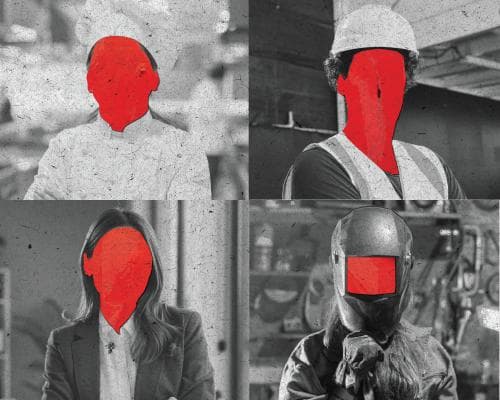
Consider the data: a 15-year study of MBA graduates found that conventionally attractive candidates consistently landed more desirable roles, earning an "attractiveness premium" of over $2,500 annually. That number sounds small until you compound it over a career—then it's a private jet, a vineyard, a second home in the Alps. Another 2018 report called attractiveness "an enduring, positive labor market characteristic." Translation: beauty is a currency that doesn't depreciate. And it's no longer just for the C-suite. Welders, home builders, lawyers—professionals who never thought about their reflection—now find themselves under the same microscope. The Zoom camera and the Instagram feed have democratized scrutiny, and everyone is now a public figure in their own right.
The shift is most visible in the rise of "lookism"—a bias favoring the aesthetically gifted. But for the ultra-wealthy, this isn't a bias to fight; it's a market to master. The same way you'd diversify a portfolio, the modern high-net-worth individual diversifies their appearance. Botox and fillers are no longer whispered secrets; they're routine maintenance, like a car's oil change. A survey last year found that 20% of people over 45 would consider injectables for work, and 15% would go under the knife. Among the top 1%, those numbers are likely higher, because the stakes are higher. A CEO's face is a brand asset, a logo that needs to convey vitality, decisiveness, and control.
Take Hannah Hembree Bell, a 43-year-old divorce attorney in Austin, Texas, who represents only women. She told us that looks matter "1,000% more" than a decade ago. She works with a stylist, schedules hair appointments constantly, and visits a medi-spa for "all the aesthetics one gets when they're 43." Bell is building a personal brand as a thought leader, which means her face is on camera, on podcasts, and in PR photos. For her, beauty isn't vanity; it's infrastructure. And she's not alone. The rise of semaglutides—those weight-loss injections that have become the new status symbol—has made a slim silhouette almost as common as a tailored suit in Davos. The message is clear: if you can afford to look effortless, you've already won.
This is the new luxury, and it's more exclusive than a Birkin. A $10,000 handbag is a one-time purchase; a face requires ongoing investment. Skin treatments, personal trainers, nutritionists, cosmetic procedures—these are subscription services for the self. The wealthy understand that beauty is a depreciating asset unless you maintain it, so they treat it like a yacht: constant upkeep, professional crew, and a dock in the right marina. The result is a premium on "effortless" appearance that actually requires immense effort and capital. It's the ultimate Veblen good—the more you spend, the more you signal that you don't need to work, which ironically makes you more valuable at work.
So what does this mean for the next decade? Expect the beauty industry to become the new private banking, with concierge clinics offering discreet, high-end procedures for the jet set. Expect HR departments to quietly code for "polish" in hiring algorithms. And expect the line between personal and professional to blur further, as your face becomes your most traded commodity. The smartest money isn't just in tech or real estate; it's in the mirror. Because in a world where everyone is on camera, the ultimate power move is to look like you've never had a bad day—and to have the receipts to prove it.
The Experience
Ready to invest in your most visible asset? Book a private consultation with a top-tier aesthetic physician or executive image consultant to craft your personal brand strategy.