The $2 Pantry Treasure That’s Redefining Ultra-Wealthy Wellness
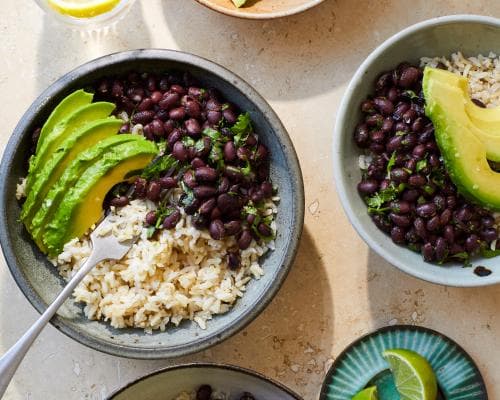
In the rarefied air of private chefs, wellness retreats, and Michelin-starred tasting menus, a quiet revolution is simmering. For months, the global elite—those who measure their health in biomarkers and their meals in provenance—have turned their attention to an ingredient so humble it once sustained peasants. We are speaking, of course, of the bean. On TikTok, the hashtag #beantok has amassed over 13,000 videos, with devotees crediting cannellini, borlotti, and black beans for alleviating anxiety, perimenopause symptoms, and chronic inflammation. But for those who understand that true luxury lies in substance over spectacle, this is not a trend—it is a return to ancestral wisdom, repackaged for the discerning palate.
The bean’s journey from pantry afterthought to wellness main character is as rich as its flavor. Native to the Americas and adopted into European cuisines by the 16th century, beans became the backbone of Mediterranean cooking—so integral that Tuscans are still called “mangiafagioli,” or bean eaters. Today, the same pattern echoes across the world’s most coveted culinary traditions: South Asian dal, Levantine chickpea stews, Central American rice-and-bean pairings, and West African black-eyed pea dishes. As food writer Emiko Davies notes, beans were once the everyday nutrition of a largely peasant population. Yet now, in an era where the ultra-wealthy seek authenticity and longevity, these legumes have been elevated to a status symbol of informed, intentional living.
Consider the craftsmanship required to elevate the bean. A can of supermarket white or kidney beans costs roughly $2—but the true connoisseur knows that dried beans, soaked and simmered with precision, offer an irreplaceable texture and depth. Sharon Salloum, chef at Sydney’s 3 Tomatoes cafe and author of *Almond Bar: 100 Syrian Recipes*, is unequivocal: “In Middle Eastern cooking, we only ever use dried beans.” For falafel, she explains, canned chickpeas are overcooked and yield the wrong texture. The same principle applies across the board: dried beans, when handled with care, deliver a creamy interior and a firm skin that no tin can replicate. This is the difference between a mass-market convenience and a handcrafted ingredient worthy of the world’s finest tables.
What does this signal about wealth, taste, and the luxury market? The bean’s rise reflects a deeper shift: the ultra-wealthy are no longer content with ostentatious displays of opulence. Instead, they invest in provenance, nutritional density, and the stories behind their food. Beans offer a trifecta of exclusivity: they are rare in their perfect form (heirloom varieties from specific regions), they require time and skill to prepare (a mark of true culinary dedication), and they deliver unparalleled health benefits. Associate professor Evangeline Mantzioris of Adelaide University notes that beans are unique in containing both protein and fibre, with one cup of cooked beans providing up to one-third of the daily fibre requirement—critical for reducing bowel cancer risk and supporting gut health. For the wellness-obsessed elite, this is a non-negotiable edge.
Looking forward, the bean’s trajectory is clear. As “fibremaxxing” and plant-forward dining continue to dominate private chef menus and luxury spa cuisine, expect to see heirloom varieties—like Zolfini from Tuscany or Ayocote from Mexico—commanding prices that rival truffles. Personal chefs will be judged by their ability to coax silky textures from a humble legume, while private-label bean collections will become the new cellar-worthy investment. The bean is no longer a peasant’s staple; it is a quiet declaration of taste, health, and heritage. For those who can afford the time and the sourcing, it is the ultimate luxury: a $2 treasure that money alone cannot buy.
The Experience
Secure a private consultation with a bean sommelier who curates heirloom varieties from single-origin farms, paired with a bespoke soaking and simmering regimen for your home kitchen.