St Helens' 60-Year Playoff Streak Is About to Die — and the Rot Runs Deeper Than Rugby
The stench at St Helens isn't just from the dressing room. It's the smell of a dynasty's equity evaporating in real time — and for anyone who's ever priced a trophy asset, it's a warning.
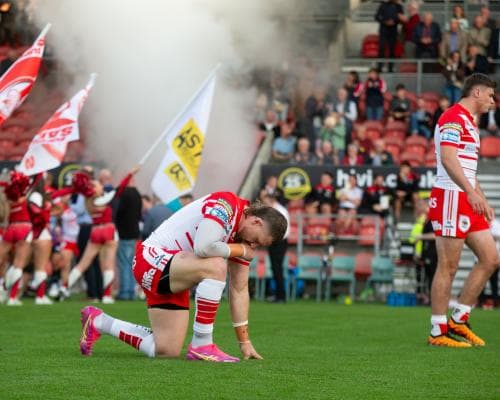
On Thursday night, the hooter sounded on another miserable defeat, this time to Hull FC. But the more telling sound was the silence. Thousands of supporters had already left. The anger was gone, replaced by apathy. That's the real killer. In the world of elite sport, apathy is the one metric that doesn't bounce back quickly — and it's the one that scares the money men most.
Let's put this in perspective. St Helens are not just any rugby league club. They are the most consistent force Super League has ever seen — a record 10-time champions, world club champions as recently as 2023. Wigan nearly went down 20 years ago. Leeds have finished bottom-half multiple times. Bradford and Hull KR have spent years outside the top flight. Saints? They've never missed the playoffs in Super League history. In fact, you have to go back more than 60 years to find a St Helens season without a top-six finish. That run is about to end.
With five rounds to go, they sit four points adrift of the playoff places. It's no longer a question of if — it's when. And the financial implications are as brutal as the on-field ones.
This isn't a sudden collapse. It's a slow bleed that's been building since the glory years of 2019 to 2022, when they won four straight titles and stunned Penrith in the World Club Challenge. Since then, the legends have left, the long-serving staff have followed, and recruitment has been nothing short of embarrassing. The club brought in Paul Rowley over the winter — a coach hired not just to win, but to win in the flashy, entertaining style Saints fans have come to expect. He failed on both counts. Eight months in, he was sacked. Some of the players he brought in have been appalling, and they'll likely follow him out the door, clearing the decks for yet another rebuild.
Here's where the money story gets interesting. A club like St Helens isn't just a sports team — it's an income-generating asset with a loyal, paying fan base, sponsorship deals, merchandise revenue, and broadcast money tied to its brand. That brand is built on one thing: winning. When the winning stops, the revenue streams don't dry up overnight — but they start to crack. Season ticket renewals drop. Corporate hospitality packages get harder to sell. Sponsors start asking for performance clauses. And the longer the apathy sets in, the harder it is to reverse — even with a new coach and a fresh squad.
For wealth builders, this is a textbook case of what happens when a market leader loses its moat. St Helens had a moat — a 60-year history of playoff appearances that no rival could match. That moat is now gone. The club's intangible assets — heritage, trust, the 'Saints way' — have been devalued in a single season. The lesson? Legacy is not a permanent asset. It's a depreciating one, unless you keep investing in the core product. In rugby, that's the team. In business, it's your competitive edge.
Looking ahead, the next 12 months are critical. St Helens will likely appoint a new head coach, and there's talk of raiding the assistant coach market. But the deeper question is whether the club's leadership understands the scale of the rebuild. This isn't just about tactics or recruitment. It's about re-earning the trust of a fan base that has watched their club go from world champions to also-rans in two years. That trust is the real currency — and it's the hardest to restore.
For the wealthy, the takeaway is simple: when you own a trophy asset — whether it's a sports club, a luxury brand, or a prime piece of real estate — you're not just buying the current income. You're buying the story. And when the story stops being told, the value stops being real. St Helens' decline isn't just a sporting tragedy. It's a capital event. Watch how the club handles the next 18 months — it'll tell you everything about whether they understand that.