The Billionaire’s Cool Escape: Why the Baltic Coast Is the New Côte d’Azur
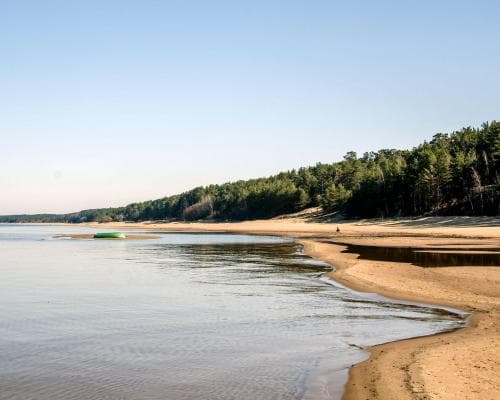
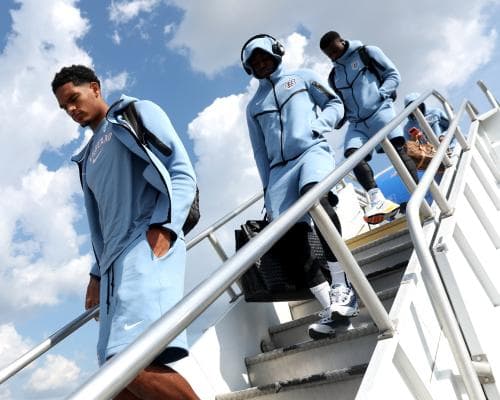
The private jet idles on a tarmac in Nice, but the owner isn’t boarding. He’s seen the satellite images: the Côte d’Azur shimmering under a heat dome, yachts bobbing in bathwater, the air thick with sunblock and entitlement. Instead, his pilot files a flight plan to Riga. Then a short train ride to Saulkrasti, where the Baltic Sea laps at a shore lined with scent-drenched pines. The water is Mediterranean-warm, the air is twenty-two degrees, and the only crowds are the ones you don’t have. This is the new frontier of summer wealth: cool, quiet, and utterly exclusive.
Forget St. Tropez. The smart money is moving north. The source material reads like a whispered tip among connoisseurs: a Latvian beach where forests meet dunes, a Finnish shoreline with midnight volleyball and sauna song parties, a Norwegian island reachable only by a ten-minute boat ride from a village abandoned since the 1960s. These aren’t backpacker discoveries. They are the last refuges of the discerning traveler who values privacy over heat, and authenticity over Instagram. The numbers are telling: a train from Riga costs a few euros. A boat to Hornøya runs about £95 per person. But the true cost is in the scarcity of experience—the kind of unscripted joy that money can’t manufacture, only unlock.
What makes these places worth a billionaire’s time isn’t the price tag. It’s the craftsmanship of nature. Saulkrasti’s four-kilometer beach trail is a work of curated wilderness: pine needles underfoot, the scent of resin, a big dune called Balta Kapa where a blue river meets the sea. In Brittany’s Côte Emeraude, the beaches are cool, the crepes are made with salted butter, and the street parties feel like a secret. In Finland’s Yyteri, a three-kilometer strand of sand is flanked by dunes that rival any desert, and the local tradition of midnight swim-and-sing parties is a ritual of pure, unpolished joy. These are not resorts. They are living galleries of heritage—Polish Sopot’s 511-meter wooden pier, the abandoned fishing village of Hamningberg with its pristine timber homes untouched by war. The rarity is in the preservation, not the price.
This shift signals something profound about the luxury market. The ultra-wealthy are increasingly seeking what cannot be bought: silence, solitude, a sense of discovery. The cold-water swim, the sauna with strangers, the reindeer on the roadside—these are status markers now. A Rolex is a commodity. A story about joining a Finnish beach volleyball team for a sardine-and-song evening is a currency of its own. The market is responding: private jet charters to Riga are up, boutique hotels in Dinard are booked months in advance, and the demand for bespoke Arctic itineraries is surging. The billionaire who once wanted to be seen now wants to be lost.
Looking ahead, the cool coast is the next great investment. Real estate in Varangerfjord, where the Steilneset Memorial stands as a haunting tribute to history, is still undervalued. The train lines from Riga to Saulkrasti are ripe for a luxury refurb. The sauna culture of Finland is being exported to private estates worldwide. But the true opportunity is in the mindset: the realization that the most exclusive summer address isn’t a zip code—it’s a latitude. Next July, when the heat hits the Riviera, the smartest people will be somewhere else. They’ll be in a pine forest, toes in the Baltic, listening to the wind through the dunes. And they won’t tell you where.
The Experience
To plan your own cool-coast escape, contact a luxury travel curator who specializes in Nordic and Baltic itineraries—think private train charters, exclusive sauna bookings, and helicopter access to abandoned fishing villages.