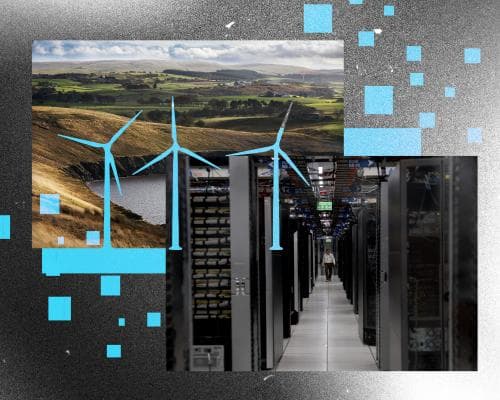
The Lanarkshire Mirage: When AI’s Promise of Riches Met a Village’s Green Belt
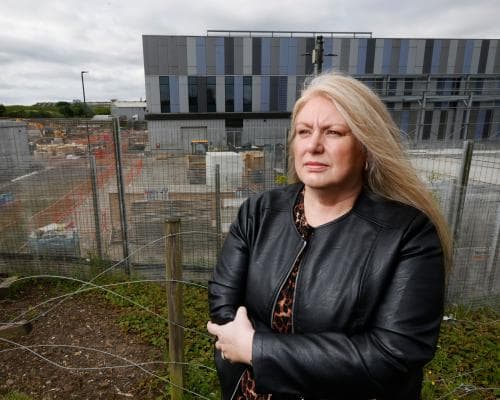
Imagine a man in a tailored suit knocking on your cottage door, offering you free solar panels and cash for your land. It sounds like a private banker’s pitch for a bespoke trust fund. But in Newarthill, a quiet village east of Glasgow, that knock was the opening act of a very different story—one that has left residents wondering if they’ve been played for marks in a high-stakes game of global tech roulette.
This is the tale of the UK’s so-called “AI growth zone” in Lanarkshire, a multibillion-pound project touted by the government as a ticket to “the jobs of the future.” The players: CoreWeave, a US tech firm, and DataVita, an arm of a Glasgow real-estate company. The promise: 3,400 high-value jobs and a community fund worth up to £543 million. The reality, according to locals like Diane Davidson, is a fog of “smoke and mirrors.” When representatives from Oakes Energy Services first came calling, they whispered sweeteners—free solar panels, tree planting, cash buyouts. “None of these sweeteners are enforceable,” Davidson told me. “There’s nothing written down.”
Here’s where the luxury lens comes into focus. For the ultra-wealthy, data centers are the new gold mines—silent, windowless fortresses filled with specialized silicon chips that power artificial intelligence. They are the infrastructure of a new economy, and tech giants are pouring hundreds of billions into them, betting that AI will reshape the world. But building these behemoths requires land—vast, flat, green land. In Lanarkshire, that land is the green belt, the cherished countryside that separates villages from the sprawl of Glasgow. The plan calls for a solar farm adjacent to the site, submitted by Locogen on behalf of an international energy group. Locals watched the project “grow arms and legs,” as Davidson put it, swallowing more and more of the landscape they call home.
Craftsmanship? Rarity? Heritage? This story has the opposite. It’s about the erosion of all three. The data centers themselves are not objects of beauty—they are “big imposing buildings,” as Davidson described them. The craftsmanship lies in the chips, the cooling systems, the energy grids. But the heritage is the green belt, a rare and irreplaceable asset that cannot be bought at any price. The price angle here is not about a luxury watch or a private jet; it’s about the cost of displacing a community. Residents fear they may have to sell their properties, not because they want to, but because the land around them will become unlivable. The sweeteners were a way to buy silence, but the silence has broken into fear.
What does this signal about wealth and taste in the luxury market? It signals that the new status symbol is not a yacht or a penthouse—it’s control over the infrastructure of the future. The ultra-wealthy who invest in AI are not buying art; they are buying the canvas on which the next economy will be painted. But the canvas is someone’s backyard. The Lanarkshire saga is a cautionary tale: even the most glittering promises can turn a village into a bargaining chip. For those with the means to choose, the lesson is to look beyond the press release. True luxury is not just having the money to participate—it’s having the foresight to see what you’re really buying.
Looking forward, this story is far from over. The government and DataVita have yet to deliver on their promises. The jobs? Unseen. The community fund? Unspent. The solar farm? Still a plan on paper. For the residents of Newarthill, the future is a holding pattern—waiting to see if the AI boom will bring real wealth or just more smoke. For the rest of us, it’s a reminder that the most exclusive asset in the world is not a thing you can own. It’s a place you can call home, untouched by the machinery of progress.
The Experience
For a private briefing on how to navigate the intersection of technology and land assets, book a consultation with our luxury real estate advisory desk.
More in INNOVATION