The Kennedy Center's $252,480 Lesson: When Power Meets the Price of Speech
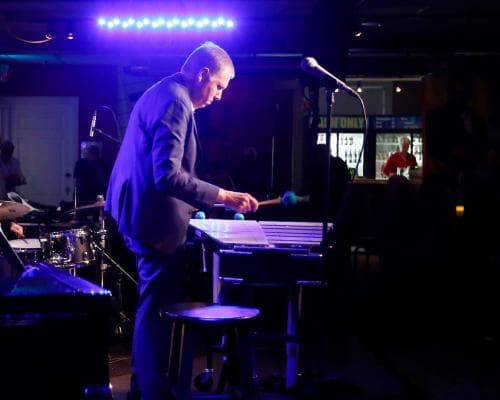
On a cold December evening, Chuck Redd made a decision that would cost him a year of his life and, ultimately, hand him a quarter-million-dollar victory. The jazz vibraphonist looked at the Kennedy Center's marquee—newly emblazoned with a name that didn't belong there—and pulled the plug on his Christmas Eve concert. It wasn't a tantrum. It was a statement. And this week, a DC superior court judge made clear that statements have a price tag.
Judge Tanya Jones Bosier ordered the Kennedy Center to pay Redd $252,479.70 in legal fees and costs, a ruling that lands like a cymbal crash in the marble halls of American cultural power. The center had sued Redd for breach of contract after he canceled, with Trump-appointed president Richard Grenell threatening $1 million in damages and calling the move a 'political stunt.' But the court saw it differently: under the District's anti-SLAPP statute—designed to shield citizens from lawsuits that chill protected speech—Redd's cancellation was an act of protest, not a contractual violation.
This is not just a legal footnote. It's a signal. The Kennedy Center, a venerable institution that has hosted everyone from Bernstein to Beyoncé, found itself in the crosshairs of a political takeover. Trump's allies on the board voted to rename the venue 'The Donald J Trump and The John F Kennedy Memorial Center for the Performing Arts,' slapped the name on the building's facade, and planned a two-year, major renovation. A federal judge later ruled the board lacked authority to rename the center and blocked the renovation. But the damage was done—and Redd's case became a test of whether artists can push back without being crushed.
The anti-SLAPP ruling is the legal backbone here, and it's worth understanding. SLAPP stands for Strategic Lawsuit Against Public Participation, and anti-SLAPP statutes are designed to quickly dismiss such suits and make the filer pay. In an era where wealthy individuals and institutions increasingly use litigation as a weapon to silence critics, this statute is a shield. Redd's win isn't just about his legal fees; it's a precedent that cultural workers can protest political overreach without fearing financial ruin. The judge's order forces the Kennedy Center to reimburse Redd for defending himself—a bitter pill for an institution already reeling from reputational damage.
The implications ripple far beyond this one concert hall. We're seeing a pattern: political appointees seizing cultural institutions, renaming landmarks, and demanding fealty from artists. From the Met to the Smithsonian, these spaces are becoming battlegrounds for ideological control. The Kennedy Center's attempt to silence Redd backfired spectacularly, and the $252,480 judgment is a warning to other boards and presidents: artists are not pawns. They have rights, and courts are increasingly willing to enforce them.
But look closer, and this is also a story about the economics of courage. Redd didn't just lose a gig; he faced a lawsuit that could have bankrupted him. The fact that he won—and that the center must now pay his legal bills—shifts the risk calculus. For every artist considering a protest, this ruling is a green light. For every institution tempted to use its legal muscle, it's a red flag. The Kennedy Center's spokesperson says they'll appeal, but the message is already out: the cost of silencing speech is rising.
What happens next? The center's leadership remains in flux, with federal courts blocking the renovation and ordering Trump's name removed. The institution will likely face more legal battles—and more artists who are less afraid. This ruling doesn't just restore Redd's money; it restores a measure of agency to the creative community. In a world where billionaires buy naming rights and politicians crave legacy, this is a reminder that culture can't be owned. It's earned, performance by performance, and defended, case by case.
As the appeal looms, one thing is clear: the Kennedy Center's name may be scrubbed, but the stain of this episode will linger. And for Chuck Redd, the vibraphone player who dared to cancel, the last note hasn't been played. The courts have spoken, and the tune is one of accountability. In the battle between power and art, this round goes to the artist—and the price of silence just went up.