The 18 Summers Myth: Why the Ultra-Wealthy Are Reclaiming the Art of the Unhurried Holiday
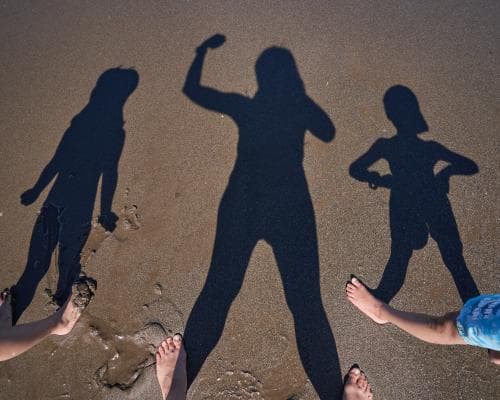
There is a particular kind of dread that creeps in when the school calendar arrives in the post, and it has nothing to do with the cost of a Cornish cottage or the logistics of a villa in Tuscany. It is the quiet, insistent tick of a countdown that has nothing to do with the actual days of August and everything to do with a hashtag. The '18 summers' trend — the viral notion that a parent has only eighteen summers with a child before they fly the nest — has slithered its way into the group chats of the anxious and the affluent alike, turning the simple act of a family holiday into a morbid, pre-grieving exercise in spreadsheet management. It is, in the words of one observer, an invitation to inject weird notes of anxiety into what might otherwise be an unstudied thing. And for those who can afford to travel anywhere, it is the single most effective way to ruin a perfectly good beach day.
Let us be clear: the idea is a banality dressed in the robes of profundity. 'You only get eighteen summers' — yes, and you only get one life, which is precisely why spending it counting the minutes until your teenager rolls their eyes at you from behind a pair of sunglasses is a spectacular waste of both. The trend, which originated on social media and has been dutifully amplified by lifestyle influencers, taps into a very modern neurosis: the belief that time not optimised is time lost. But here is the secret the ultra-wealthy have always known, and which the rest of us are only now catching on to: the best holidays are not the ones that maximise every second, but the ones that allow time to stretch, to warp, to become gloriously, deliciously unproductive. The 18 summers crowd is missing the point entirely. They are so busy documenting the moment that they forget to live it.
This is where the luxury travel industry steps in, not with a new resort or a private jet, but with a philosophy. The most sought-after experiences this season are not the ones with the most activities, but the ones with the fewest. Think of the slow, sun-drenched afternoons on a private terrace overlooking the Aegean, where the only scheduled event is the arrival of a chilled bottle of Assyrtiko. Think of the Japanese ryokan, where the ritual of the onsen and the kaiseki meal is the entire itinerary. These are not holidays designed for Instagram; they are holidays designed for memory. They are the antidote to the anxiety of the countdown, because they do not measure time in days or summers, but in the unhurried rhythm of a tide. The wealthy have always understood this — that true luxury is not a destination, but a state of mind. And they are increasingly paying for the privilege of doing nothing, beautifully.
The economics of this are fascinating. While the middle classes are scrambling to book a week in the Algarve around the school holidays, the ultra-rich are quietly taking their children out of school for a month in February, or a fortnight in June, because they can. They are not bound by the tyranny of term dates, and they are certainly not bound by a viral hashtag. For them, the family holiday is not a finite resource to be rationed; it is a recurring, renewable investment in the family's emotional capital. This is why the concept of '18 summers' feels so alien to them. It is a scarcity mindset applied to something that should be abundant. The wealthy know that the number of summers is irrelevant; what matters is the quality of the attention you bring to each one. And that is something no amount of money can buy, but a great deal of money can facilitate.
What does this mean for the rest of us? It means we should all take a page from the playbook of the slow traveller. It means we should resist the urge to turn every family holiday into a project with a Pinterest board and a spreadsheet. It means we should embrace the glorious, unstructured chaos of a day that has no plan, where the only decision is whether to swim before or after lunch. The 18 summers trend is a trap, designed to make us feel as if we are misusing our time by showing us how other, better-motivated people are using theirs. But the truth is, the best use of time is often the one that feels like a waste. The hours spent building sandcastles that will be washed away, the long lunches that stretch into siestas, the card games that last until the candles gutter — these are the moments that actually count. And they cannot be counted, measured, or hashtagged.
So, as the summer holidays loom, take a deep breath. Do not count the summers you have left. Do not pre-grieve the end of childhood. Instead, book a place where the Wi-Fi is weak and the days are long. Let the children be bored; let them find their own entertainment. And remember that the most luxurious thing you can give them is not a trip to the Maldives or a safari in Botswana, but your undivided, unhurried presence. The 18 summers trend is a fear-based fiction. The reality is that every summer is a blank page, and the only way to fill it is to stop looking at the clock. The wealthy have already figured this out. The rest of us can catch up, one unproductive afternoon at a time.