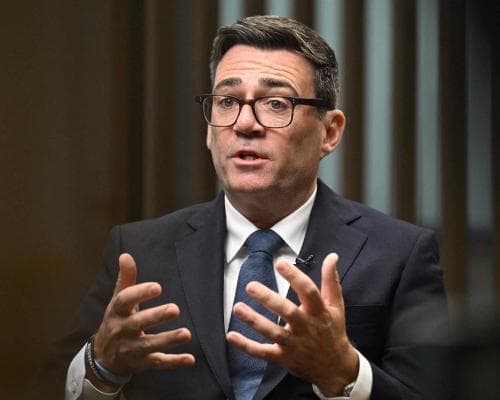
The Quiet Luxury of Consumer Sovereignty: Andy Burnham's War on Hidden Fees
In the gilded corridors of Mayfair and the glass towers of Canary Wharf, the conversation rarely turns to the price of a concert ticket or the fine print on an energy bill. Yet, for the truly discerning, there is a subtle art to being unbothered by the mundane frictions of commerce. It is the privilege of never having to look at a receipt, let alone question it. But when Andy Burnham, the Mayor of Greater Manchester, announces a crusade against the sneaky surcharges and ghost subscriptions that plague the everyday consumer, even those who have never queued for a taxi should take note. Because this isn't just about saving a few quid; it's about the principle of fairness, a currency that trades higher than any stock, and a signal that the era of opaque transactions is coming to an end.
Burnham’s latest proposals are a masterclass in what he calls 'everyday fixes' – a term that sounds almost quaint in its simplicity. He wants to ban fake discounts, make it easier to cancel unwanted subscriptions, and, most intriguingly, wipe out the inexplicable 'booking fees' that cling to tickets like barnacles to a yacht. For the rest of us, this is a victory against the small print. But for the ultra-wealthy, it’s a fascinating glimpse into the machinery of modern commerce, a reminder that even the most refined purchasing experience is often padded with invisible costs. The move to force companies to display a simple 'new pack size' message on products, a nod to the French and Austrian models, is equally telling. It’s not about the few pennies saved on a jar of coffee; it’s about the integrity of the transaction, the respect for the buyer’s intelligence.
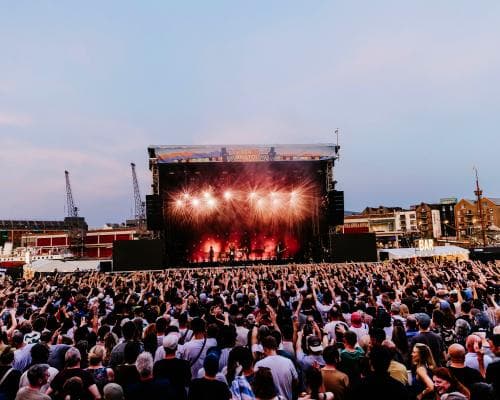
Consider the craft of the deal. A private banker would never close a multi-million-pound acquisition without a full audit of every line item. Yet, the average consumer is expected to accept a 'transaction fee' on a digital ticket with the same nonchalance as a tip at a five-star restaurant. Burnham’s proposal to ban these fees, particularly when there is no option for a physical box office or a mailed ticket, is a genuine rebalancing of power. It strips away the flimsy justification that these charges cover 'processing costs', revealing them for what they are: pure margin. For the collector who buys a rare vintage at auction, the buyer’s premium is a transparent part of the game. For the gig-goer, the 'order processing fee' is a hidden tax on passion. The Mayor’s instinct to expose these charges is not just consumer protection; it’s a form of modern-day craftsmanship, honing the transaction down to its purest, most honest form.
This is where the true luxury lies: in clarity. The ability to see all the cards on the table, to know exactly what you are paying for and why, is a privilege that money alone cannot always buy. Burnham’s other proposals – stopping direct debit hikes when your account is in credit, and forcing companies to put a phone number on their homepage – speak to a broader desire for frictionless, respectful service. The £3.2bn that energy providers hold in customers’ credit is, in effect, an interest-free loan from the public to the corporate giants. For a wealthy individual, this is the equivalent of your private wealth manager borrowing your capital without asking. It’s not the amount that offends; it’s the audacity. And the struggle to find a customer service number is a particular pet peeve for those who value their time above all else. Time is the ultimate luxury, and being forced to navigate a digital labyrinth to resolve a simple query is a theft of that most precious asset.
Looking ahead, Burnham’s agenda is a bellwether for a shift in consumer culture, one that values transparency as the new black. For the luxury market, this is a welcome development. The world of high-end goods is built on trust, provenance, and the quiet assurance that the price is the price. There are no hidden extras when you buy a bespoke suit from Savile Row or commission a one-off timepiece from Geneva. The fee is the fee, and the value is in the object and the relationship. Burnham’s push to eliminate the sneaky surcharges of the mass market aligns perfectly with this ethos. It’s a reminder that true luxury is not about the cost, but about the integrity of the exchange. As the rest of the world moves towards this more honest model, the ultra-wealthy can only nod in approval, knowing that they have always been ahead of the curve, paying for what they see and seeing exactly what they pay for.
The Experience
To experience commerce at its most transparent, commission a bespoke piece from a heritage atelier or engage a private concierge service that negotiates every detail on your behalf, ensuring your time is never wasted on the mundane.