The Hidden Price of a Storefront: Why America’s Best Cafés Are Being Sued Into Silence
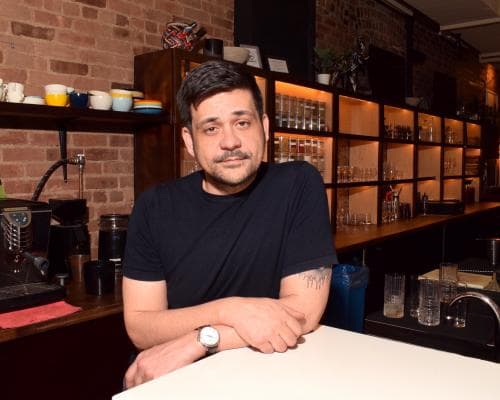
Rodrigo Nogueira was pouring espresso on a quiet April morning when the letter arrived. It wasn’t a complaint from a customer. It was a summons. Someone had sued his East Village café, No More Cafe, for violating the Americans with Disabilities Act. The lawsuit listed 35 alleged infractions. One claimed a table outside was blocking access. The problem? Nogueira has no outdoor tables. Another set of violations described barriers inside the café—yet the plaintiff swore he never made it through the door. Nogueira, a Brazilian immigrant who opened his spot less than two years ago, felt the floor drop. He hadn’t just been sued. He’d been selected.
When he dug into the court records, a pattern emerged. The same plaintiff had filed 67 active cases. The same attorney had filed more than 100 ADA lawsuits over the past nine years—almost all against small, storefront businesses. Nogueira started calling neighbors. Every owner he spoke to had opened within the last year or two. Every single one was an immigrant. None had a lawyer on retainer. Most didn’t even know they’d been sued until the deadline to respond had passed. This isn’t about access. It’s about extraction. The Americans with Disabilities Act, passed in 1990, was a landmark civil rights law. Title III was designed to ensure that people with disabilities can enter shops, restaurants, and cafes without barriers. But in the absence of local enforcement, private litigation has become the only stick. And a small group of serial plaintiffs and attorneys have turned that stick into a revenue stream. They sue, demand a settlement—often a few thousand dollars—and move on. The law was meant to open doors. Instead, it’s closing them.
For a café owner like Nogueira, the math is brutal. Even filing a motion to dismiss costs thousands in legal fees. A judge told him a company cannot represent itself in court. So he either pays a lawyer or settles. But settling means admitting guilt for violations that don’t exist. And fighting means draining cash that could buy a new espresso machine or pay a barista’s wages. Nogueira did something rare: he filed his own motion to dismiss. He’s still waiting. Meanwhile, the lawyer who sued him has already moved on to the next target. The irony is that many of these businesses are the very places that give a neighborhood its texture. The tiny bakery with the hand-painted sign. The wine bar tucked behind a florist. The café where the owner remembers your name. These are not corporate chains with compliance departments. They are passion projects, often run by people who mortgaged everything for a shot at the American dream. And now, a well-worn legal playbook is making that dream a liability.
What does this say about wealth and taste in 2025? It says that the most exclusive experiences are no longer just about what’s inside the room—but about who gets to stay in business. The ultra-wealthy have always prized authenticity. A one-of-a-kind shop in a historic building. A chef-owned restaurant with no host stand. These places are the opposite of a luxury mall. They are fragile. And fragility, in a world of mass-produced sameness, is the ultimate status signal. But fragility also makes them vulnerable. If you own a townhouse in SoHo or a pied-à-terre in the Village, the café around the corner is part of your daily ritual. Its existence is a quiet luxury. Yet that luxury is now under threat from a system that treats a missing ramp as a lottery ticket.
The forward-looking view is sobering. Without reform, the most interesting streets in America will become either corporate-owned or empty. The mom-and-pop patisserie will be replaced by a bank branch. The indie bookstore will become a vape shop. The city will be cleaner, more compliant—and utterly soulless. For those who can afford it, the solution may be private membership clubs and invite-only dining rooms that operate outside public accommodation laws. But that’s a fortress, not a neighborhood. The real luxury—the one Nogueira is fighting for—is the freedom to open a door, pour a cup of coffee, and serve someone who walks in off the street. That shouldn’t require a lawyer at the table.
The Experience
To experience the kind of authentic, owner-run café that makes a city worth exploring, seek out a local spot in an immigrant-rich neighborhood—and ask the owner how they’re doing. Your patronage is their best defense.
Explore