Madonna’s Confessions II: A Dancefloor Pilgrimage Returns to the Source
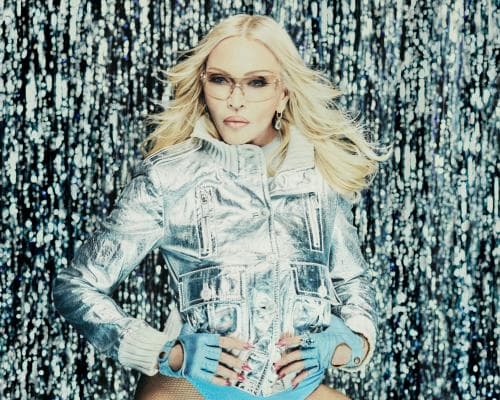
The first thing you notice about *Confessions II* is the beat. It doesn’t ask permission—it just pulls you onto the floor, like a velvet rope parting for an old friend. Madonna, now 66, has done something quietly radical: she’s returned to the sound that defined her last unqualified triumph, 2005’s *Confessions on a Dance Floor*, and she’s done it without apology. The result is her most vital album in two decades, a shimmering time capsule that feels less like a sequel and more like a homecoming.
For those who collect not just objects but moments—the private jet to Ibiza, the last bottle of Screaming Eagle at a Saint-Tropez table—this album is a kind of spiritual travelogue. It was born from her 2023 Celebration tour, a 80-date rampage through her catalog that recreated the videos for *Don’t Tell Me* and *Human Nature* with stagecraft that could rival a Cirque du Soleil residency. That tour, which grossed over $200 million, apparently set the singer thinking about her past. The result is a record that doesn’t just nod to history; it wraps itself in it, like a vintage Halston gown rediscovered in a climate-controlled vault.
The craftsmanship here is meticulous. The album’s structure mirrors the original *Confessions*—a sequence of house-influenced tracks that segue into each other like a DJ mix, seamless as a perfectly poured Negroni. But then it deepens. The closing suite drifts into trip-hop territory, recalling the smoky, introspective Madonna of *Bedtime Stories*. A duet with her daughter Lourdes, *The Test*, echoes the lullaby-like *Little Star* from *Ray of Light*—a maternal thread that feels both intimate and monumental. It’s the kind of layered storytelling that the ultra-wealthy recognize: the difference between a bespoke suit and something off the rack.
Market context is everything here. *Confessions on a Dance Floor* sold 10 million copies; its follow-ups have sold half that each. *Madame X* (2019) moved just 500,000. The faithful have been drifting, distracted by younger pop stars and algorithm-driven playlists. But *Confessions II* is a deliberate reclamation—a signal that Madonna still understands the room. For collectors of rare cultural assets, this album is akin to a first-edition Bukowski or a Basquiat from his prime: a piece that gains value precisely because it defies the trend.
What does this say about luxury taste? That the best things are often the ones you return to. In a world of disposable content and NFT-backed hype, Madonna has chosen substance over novelty. She’s betting that the dancefloor—the real one, with sweat and sequins and a 4 a.m. sunrise—still matters. For those who can afford to curate their lives, this album is a reminder that the most precious possession is a sense of timing. *Confessions II* doesn’t chase the moment. It creates one.
Forward-looking, the album hints at a new chapter. Madonna has always been a shape-shifter, but here she seems less interested in transformation than in consolidation. The question she poses in *Bring Your Love*—‘What are you doing it for? Is it for you? Is it for them?’—is answered by the record itself. It’s for both. And for anyone who has ever stood in a dark room, waiting for the beat to drop, it’s a homecoming worth every mile.